
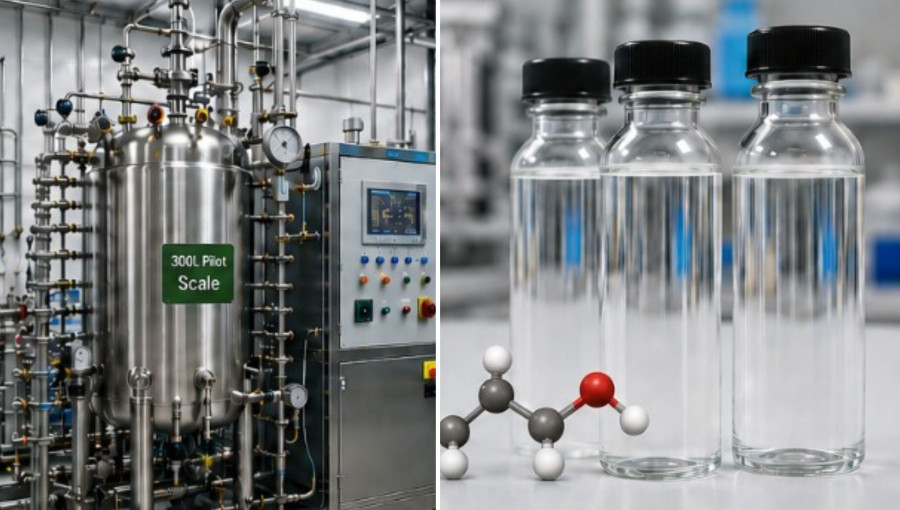
Researchers in South Korea have developed a sustainable biotechnology platform capable of transforming biodiesel waste into essential industrial raw materials. By engineering microorganisms to convert glycerol—a byproduct of biodiesel production—into 1,3-propanediol, the team has created a viable alternative to petroleum-based naphtha. This innovation, which successfully underwent a 300-liter pilot test, offers a greener path for manufacturing plastics, textiles, and cosmetics. By eliminating the need for antibiotics in the fermentation process, the researchers have also streamlined the path toward regulatory approval, marking a significant advancement in industrial biotechnology and sustainable chemical production.
The project, led by Sang-yup Lee at the Korea Advanced Institute of Science and Technology in partnership with Hanwha Solutions, addresses the volatility of global naphtha markets. By utilizing computer simulations to optimize gene modification in microorganisms, the team significantly boosted production efficiency. This technical breakthrough ensures that the fermentation process is robust enough for large-scale manufacturing rather than being confined to small laboratory settings. The successful 300-liter pilot run serves as a critical milestone, demonstrating that bio-based feedstocks can reliably replace traditional, carbon-intensive petrochemical processes on an industrial scale.
A notable feature of this new system is the removal of antibiotics from the fermentation cycle. In traditional industrial settings, antibiotics are frequently employed, which can lead to concerns regarding antimicrobial resistance and complicate the approval process for products intended for consumer use. By developing an antibiotic-free method, the researchers have ensured that their platform is better suited for the cosmetics and pharmaceutical sectors. This development is the culmination of a decade-long collaboration between academia and industry, resulting in numerous patents and research papers that underscore the potential for sustainable chemical manufacturing.
The findings, recently published in the journal Nature Chemical Engineering, highlight a shift toward more circular industrial practices. Jung-dae Kim of Hanwha Solutions noted that the research confirms the feasibility of replacing conventional petrochemical methods with bio-based alternatives. As global industries face increasing pressure to reduce their environmental footprint, this platform provides a scalable solution for repurposing industrial waste. The team anticipates that this technology will serve as a foundational element for future chemical production, proving that microbial engineering can effectively transition from experimental research to widespread commercial application.