
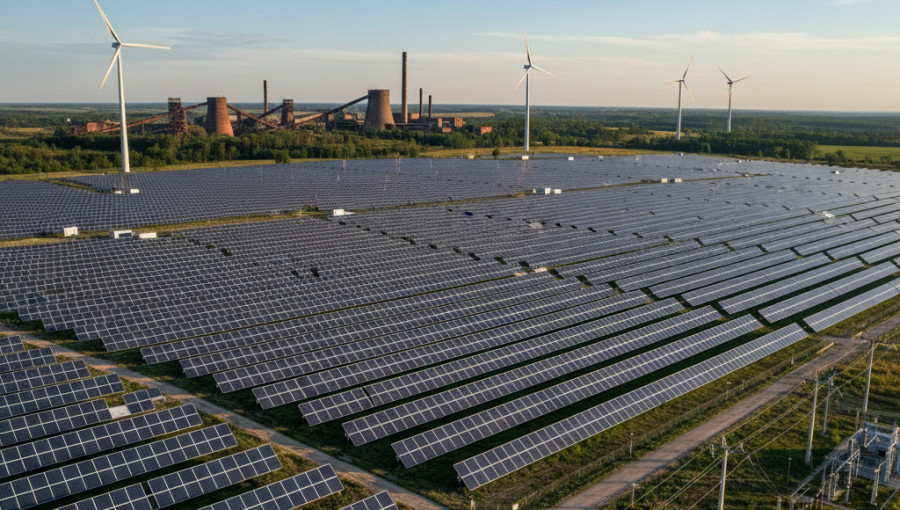
April 2026 marks a historic turning point for the global energy transition, as wind and solar power combined to generate more electricity than natural gas for the first time. Data from the think tank Ember reveals that renewable sources produced 532 terawatt-hours of power last month, surpassing the 477 terawatt-hours generated by gas. This milestone highlights a rapid shift in the energy landscape, as just five years ago, gas production was double that of renewables. While seasonal factors contributed to this performance, the trend signals a significant decline in reliance on fossil fuels for electricity generation.
The transition is further accelerated by geopolitical instability, specifically the conflict in the Middle East. Recent disruptions, including the blockade of the Strait of Hormuz and strikes on Qatar, have removed one-fifth of global liquefied natural gas export capacity from the market. These supply shortages and subsequent price volatility have prompted many nations to prioritize renewable energy as a means of ensuring national energy security. This shift is already reflected in global demand patterns, with solar energy alone meeting 75 percent of new electricity needs last year, effectively allowing total fossil-fuel power generation to decline.
Despite these gains, coal remains the largest source of electricity worldwide, though its dominance is waning. Between 2024 and 2025, the share of coal-fired electricity dropped by half a percentage point, falling below one-third of global power production for the first time in history. While experts note that April’s milestone benefited from favorable weather conditions during the shoulder season, the trajectory is clear. As wind and solar continue to scale, they are increasingly positioned to challenge coal’s long-standing position as the primary fuel source for the world’s electricity grid.