
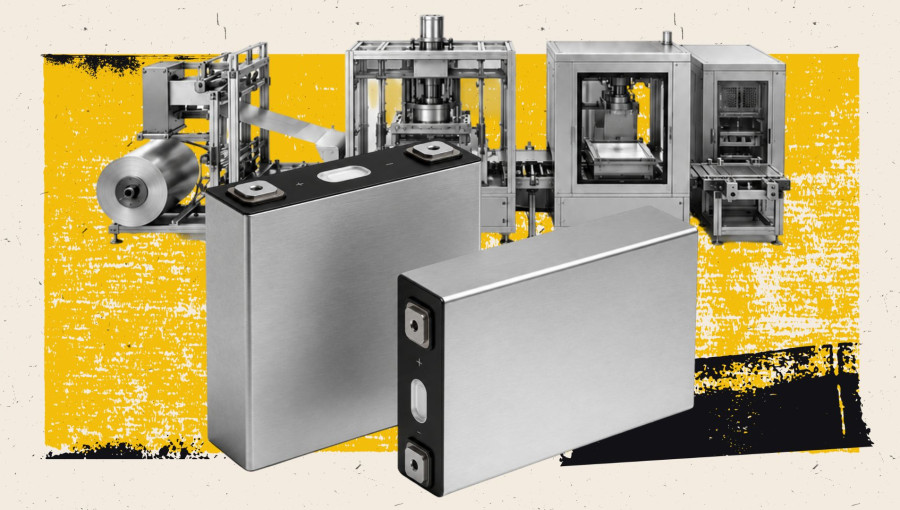
Researchers at the Pacific Northwest National Laboratory in Washington have launched the United States’ first prismatic battery production line, a significant step toward accelerating the commercialization of next-generation energy storage. While promising technologies like sodium-ion, solid-state, and liquid-metal batteries have long been hindered by high manufacturing costs and technical scaling challenges, this new facility aims to bridge the gap between laboratory innovation and mass production. By providing a dedicated space to validate safer battery chemistries, the laboratory intends to streamline the development process, ultimately making advanced, high-performance battery cells more affordable and easier to manufacture for widespread adoption.
The initiative addresses a persistent bottleneck in the energy sector, where promising battery designs often struggle to transition from experimental prototypes to viable commercial products. By focusing on the prismatic format, the team at PNNL is working to overcome the complex manufacturing hurdles that have previously slowed the integration of new chemical compositions. This facility serves as a critical testing ground, allowing engineers to refine production techniques and ensure that new battery chemistries meet safety and performance standards before they are introduced to the broader market.
This development is part of a broader national effort to modernize battery technology, which has faced years of difficulty in achieving cost-effective, large-scale manufacturing. By providing the infrastructure necessary to prove these chemistries at a production level, the laboratory is positioning itself to help move the industry past current technical limitations. The focus remains on creating a pathway for safer, more efficient energy storage solutions that can eventually be produced at the scale required for modern energy demands.