Bayer Begins Testing Salt Based Thermal Storage For Renewable Steam In Spain
The project uses renewable electricity and storage technology to replace fossil fuels in the production of acetylsalicylic acid at a facility in Asturias.
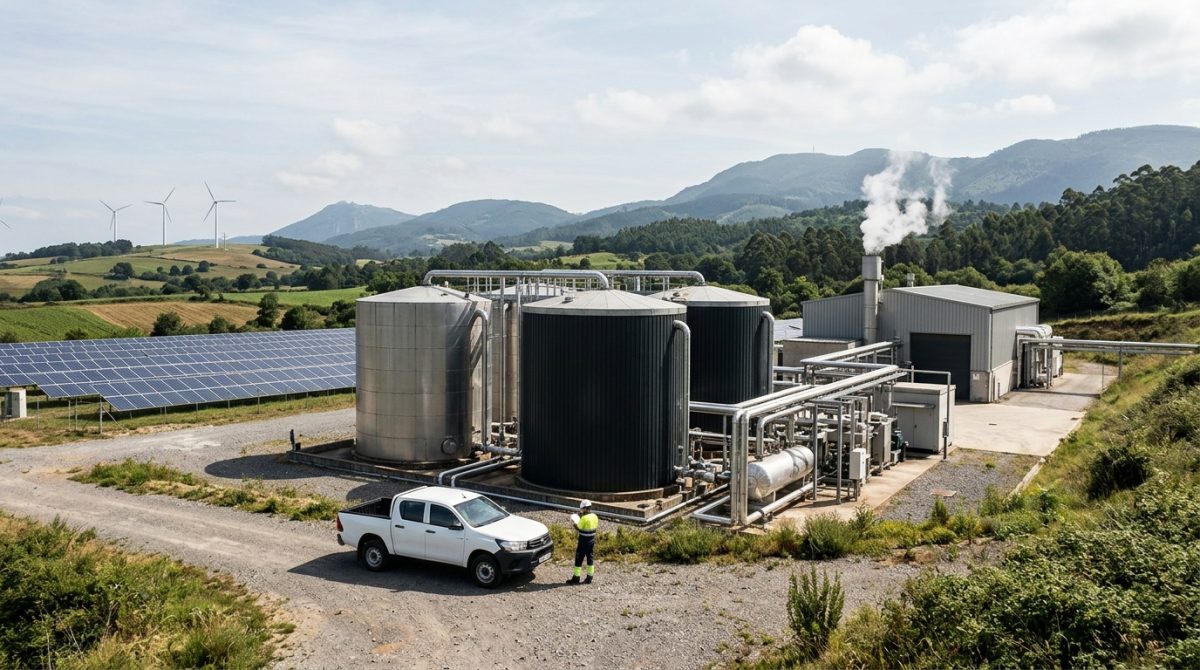
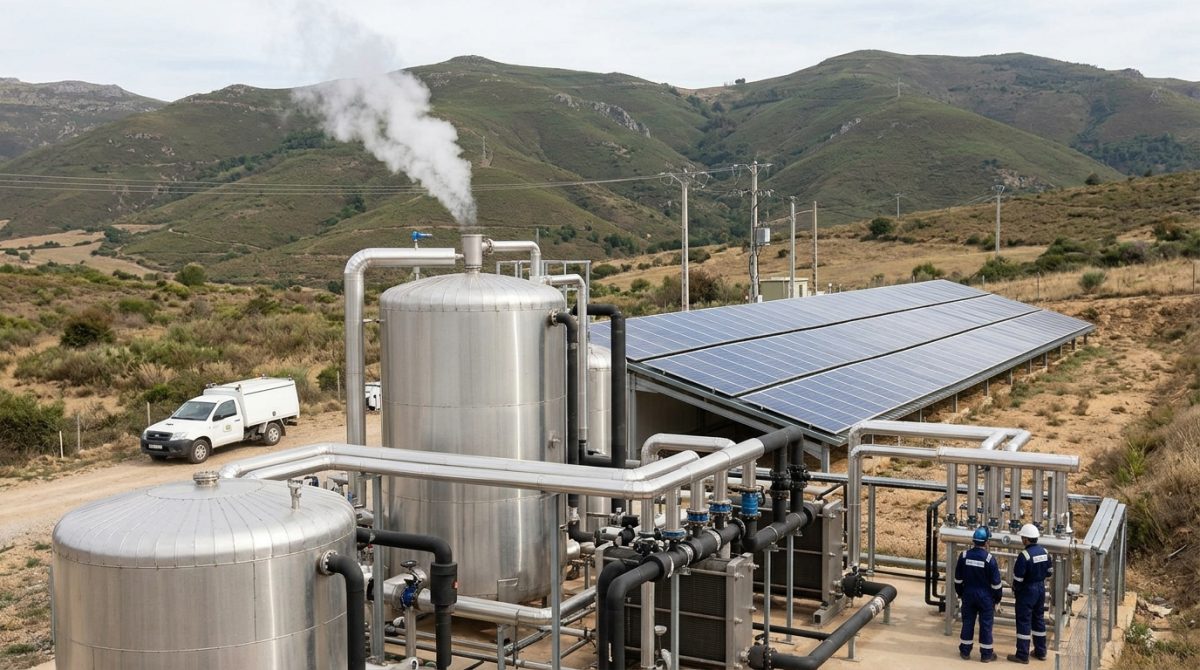
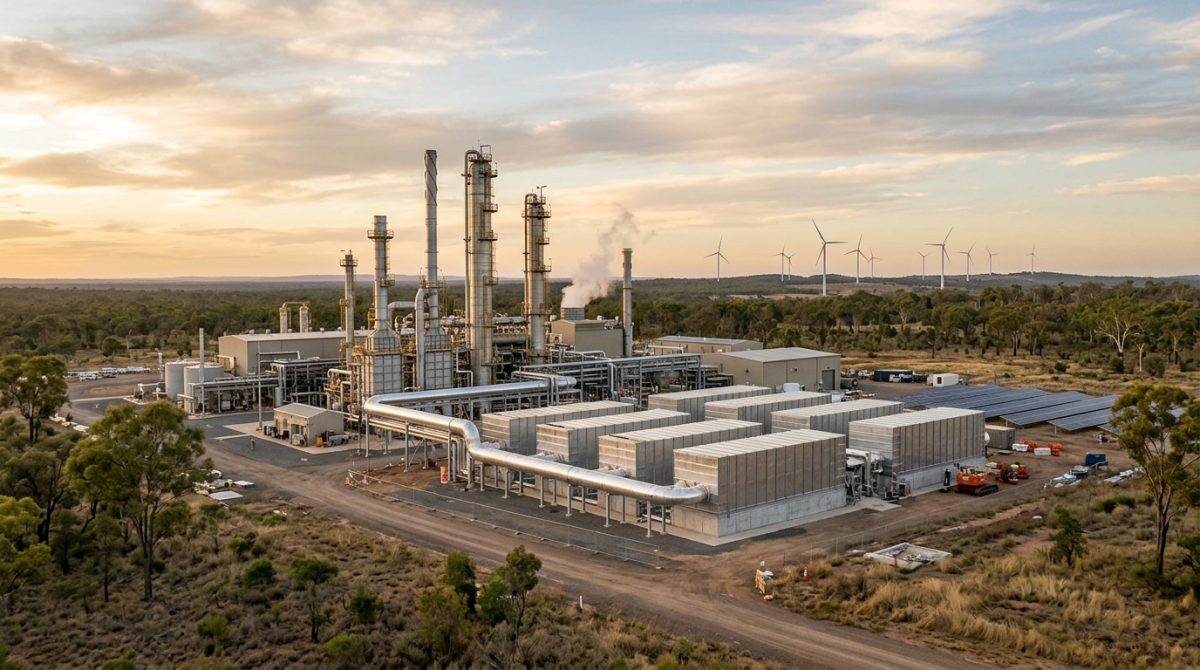
German pharmaceutical company Bayer has launched a trial of a new system designed to generate steam using renewable electricity at its manufacturing plant in La Felguera, Langreo, within the Asturias region of Spain. The facility, which produces acetylsalicylic acid, aims to eliminate the use of fossil fuels for its steam requirements through this initiative.
The project was developed by Iberdrola España and integrates a 15 MW renewable power purchase agreement alongside a 2.5 MW self-consumption solar installation. To ensure a consistent supply of steam, the system incorporates thermal energy storage using salt, which helps decouple electricity generation from the specific heat demands of the industrial process. The goal is to cover 100% of the steam needs for the production of the active ingredient in Aspirin with renewable energy.
The implementation involves a long-term heat purchase agreement and utilizes technology from the Spanish engineering firm Inerco to facilitate the integration of the thermal storage system. Iberdrola reported that the total investment for the project exceeds €18 million, with more than 60 professionals involved in the initial implementation phase.
The initiative has secured public support from several organizations, including the Spanish Institute for Energy Diversification and Saving (IDAE), the Institute for Just Transition, the regional government of Asturias, and the Langreo City Council. Additionally, the project received backing from the European Union’s Innovation Fund. Following the start of renewable steam supply, the trial phase is scheduled to conclude by the end of the year, at which point the system is expected to transition to continuous operation.