Finnish Solar Boat Proves Viability Of Sustainable Travel
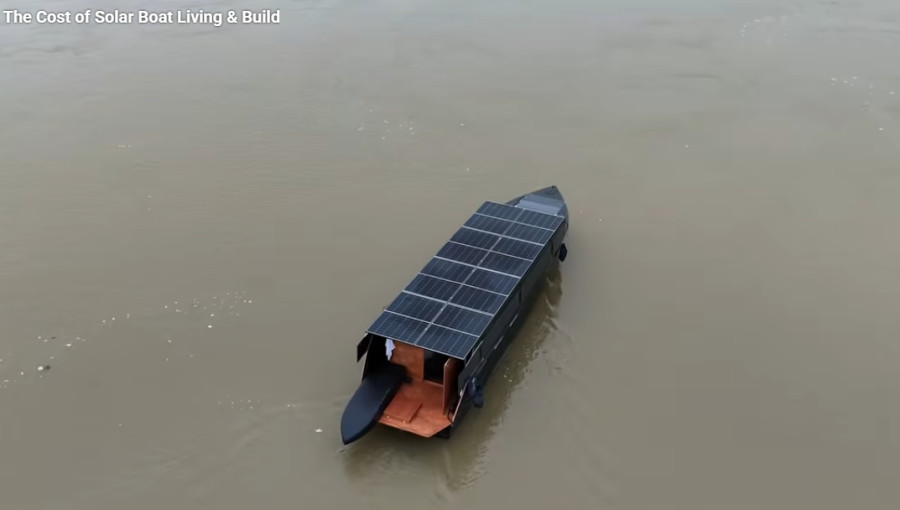
A Finnish innovator is demonstrating the viability of sustainable maritime travel by piloting a custom-built solar-powered boat from Northern Europe toward Spain. Having already traversed thousands of kilometers through Finnish and French waters, the vessel operates with zero fuel costs and minimal maintenance expenses. This journey highlights a significant shift in the boating industry, where the combination of affordable solar panels and efficient battery packs offers a quiet, emission-free alternative to traditional fossil-fuel-powered vessels.
The voyage, which began in Finland, has seen the electric craft navigate through various European waterways, successfully crossing much of France. The builder and pilot reported that the initial construction of the vessel cost approximately 30,000 euros, a figure attributed to the high price of materials in Finland. However, he estimated that replicating the project in other regions could reduce the startup investment to between 10,000 and 15,000 euros.
Operational costs for the solar-powered boat remain remarkably low, totaling less than $1,000 per month. Because the vessel relies entirely on energy captured by its solar panel array, fuel expenses are non-existent. Maintenance is similarly affordable, typically costing less than $50 monthly. The pilot noted that his primary expenditure is personal sustenance, with food costs averaging around $500 per month—an expense that would occur regardless of his mode of travel.
Beyond the financial benefits, the transition to electric propulsion offers significant environmental and performance advantages. Electric motors are notably more energy-efficient than internal combustion engines and operate with minimal noise, creating a more comfortable environment for the crew. Furthermore, these systems eliminate the toxic air pollution and CO2 emission associated with fossil fuels, while also removing the risk of oil spills that frequently threaten marine wildlife and coastal habitats.
As the technology behind solar modules and battery packs continues to improve in both capacity and affordability, the feasibility of long-distance solar boating is increasing. With fossil fuel prices remaining volatile and environmental regulations tightening, this successful journey serves as a blueprint for a future where zero-emission maritime travel becomes a standard for various boating applications.