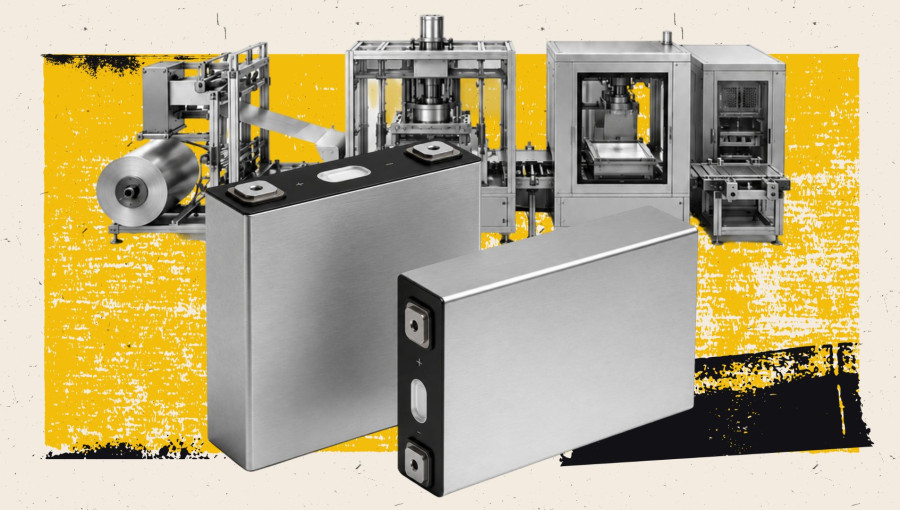
Hina Battery Plans Wuhan Production Base Amid New Chinese Tax Incentives
The company is partnering with a vehicle manufacturer to integrate sodium-ion technology into electric sanitation trucks.
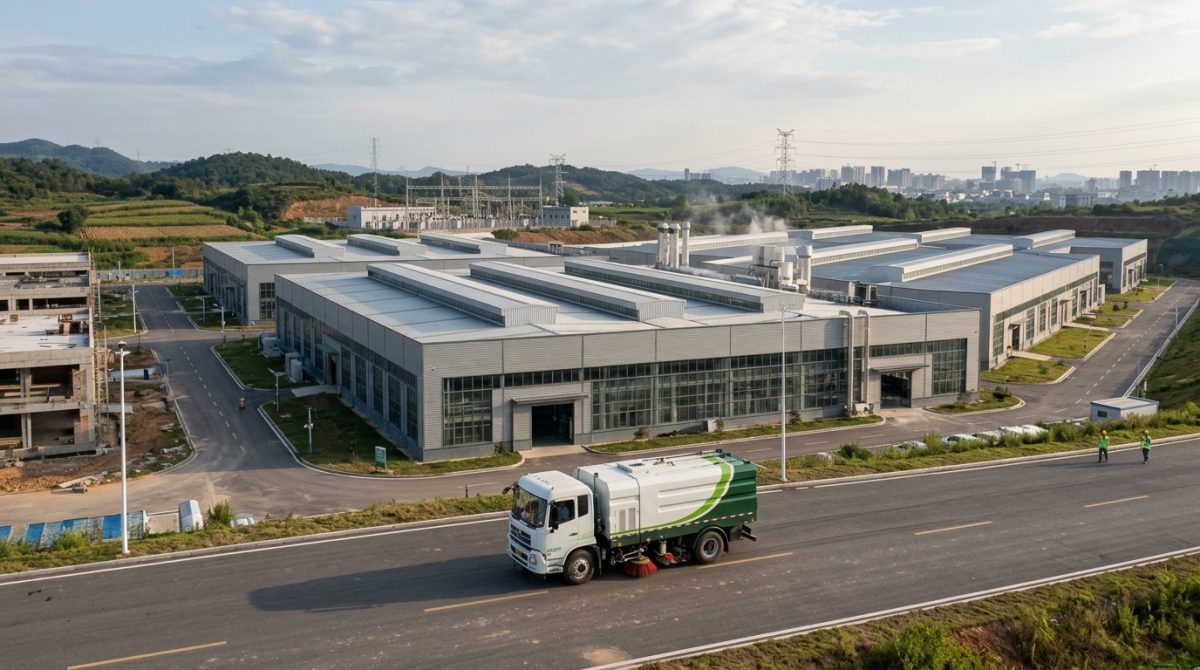
China is providing a temporary tax advantage to sodium-ion batteries as manufacturers transition the technology toward commercial electric vehicle applications. Hina Battery, a prominent developer in the sector, has announced plans for a 10 GWh production facility in Wuhan. The company is also collaborating with Chengli Special Automobile Group to develop a range of electric sanitation vehicles powered by sodium-ion cells.
The fiscal shift follows Announcement No. 20 (2026) issued by China's Ministry of Finance, the General Administration of Customs, and the State Taxation Administration. Effective September 1, 2026, the government imposed a 2% consumption tax on specified lithium-ion batteries, which is set to increase to 4% in September 2027. Conversely, qualifying sodium-ion batteries, fuel cells, and solid-state batteries are exempt from this tax until the end of 2028.
Hina Battery finalized an agreement with the Jiangxia District in Wuhan on October 14 to construct its new production base. The project is designed for an annual capacity of 10 GWh, with the first phase contributing 3 GWh. Construction is slated to commence in early 2027, with the company aiming to begin initial production before the year concludes.
Beyond manufacturing, the technology is being tested for its performance in extreme conditions. FAW Jiefang reported that a heavy electric truck equipped with a sodium-ion battery maintained over 90% of its usable capacity during testing at minus 40 degrees Fahrenheit. While sodium-ion batteries offer potential benefits such as more abundant raw material supplies, they currently face limitations regarding lower energy density compared to lithium-ion alternatives.
The industry continues to monitor the cost competitiveness of these chemistries. As of late October 2026, battery-grade lithium carbonate prices averaged approximately $13,500 per metric ton, while square lithium iron phosphate cells for electric vehicles averaged about 5.7 US cents per watt-hour.