Researchers Develop Acid-Free Molten Salt Method To Recover Solar Silver
The new technique uses a sodium hydroxide and potassium hydroxide mixture to detach silver wires from end-of-life solar cells without using harsh chemicals.
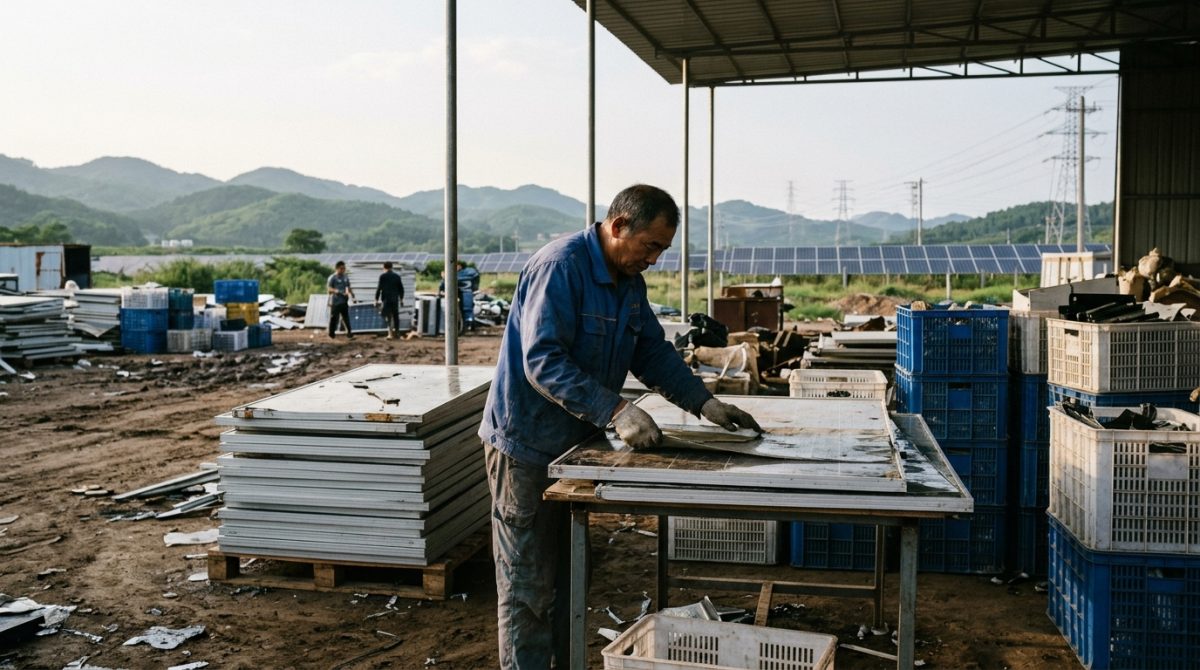
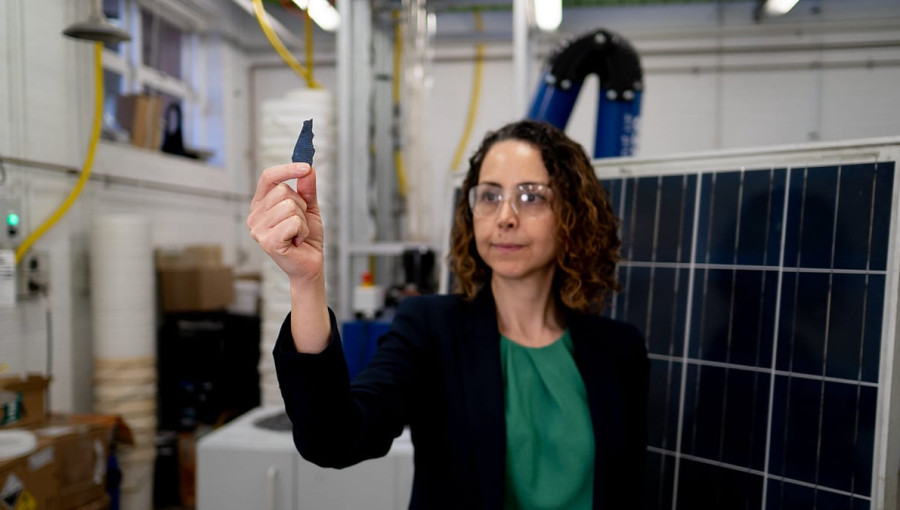
Researchers in China have created a new recycling process that recovers silver from end-of-life aluminum back-surface-field solar cells without the use of acids. By utilizing a molten mixture of sodium hydroxide and potassium hydroxide, the team successfully detached silver wires from the silicon nitride passivation layer. This method allows for the direct recovery of silver as metal, avoiding the need to dissolve it into ions.
During laboratory testing at 230 C for 150 seconds, the process achieved a silver recovery rate of 94.34%, with a maximum potential recovery of 97.11%. The molten salt effectively removes the passivation layer, though researchers noted that the silicon substrate can experience pitting if exposed to hydroxide ions for too long. At 230 C for 100 seconds, silicon substrate loss was limited to 2.62%.
This development addresses environmental concerns associated with traditional recycling methods, which typically rely on nitric acid. Conventional acid leaching often results in nitrogen oxide emissions and the production of acidic wastewater. While silver represents less than 0.03% of a module's weight, it accounts for nearly half of the total value of a decommissioned panel. As the first generation of commercial solar modules reaches the end of its 25- to 30-year lifespan, efficient recovery methods are becoming increasingly important.
The study, titled “Sustainable recovery of silver wires from crystalline silicon solar cells,” was published in the Journal of Cleaner Production. It builds upon previous research into molten salt recycling by providing a clearer understanding of the mechanisms governing both silver extraction and silicon substrate degradation. Other global research efforts are also exploring silver recovery, including electrochemical methods using stainless steel cathodes and studies on the shifting value of silver in newer, lower-content solar panels.