Researchers Develop Carbon Capture Process for Thermal Waste Treatment Plants
The NECOC 2.0 project aims to convert carbon dioxide emissions from waste incineration into solid carbon materials for industrial manufacturing.
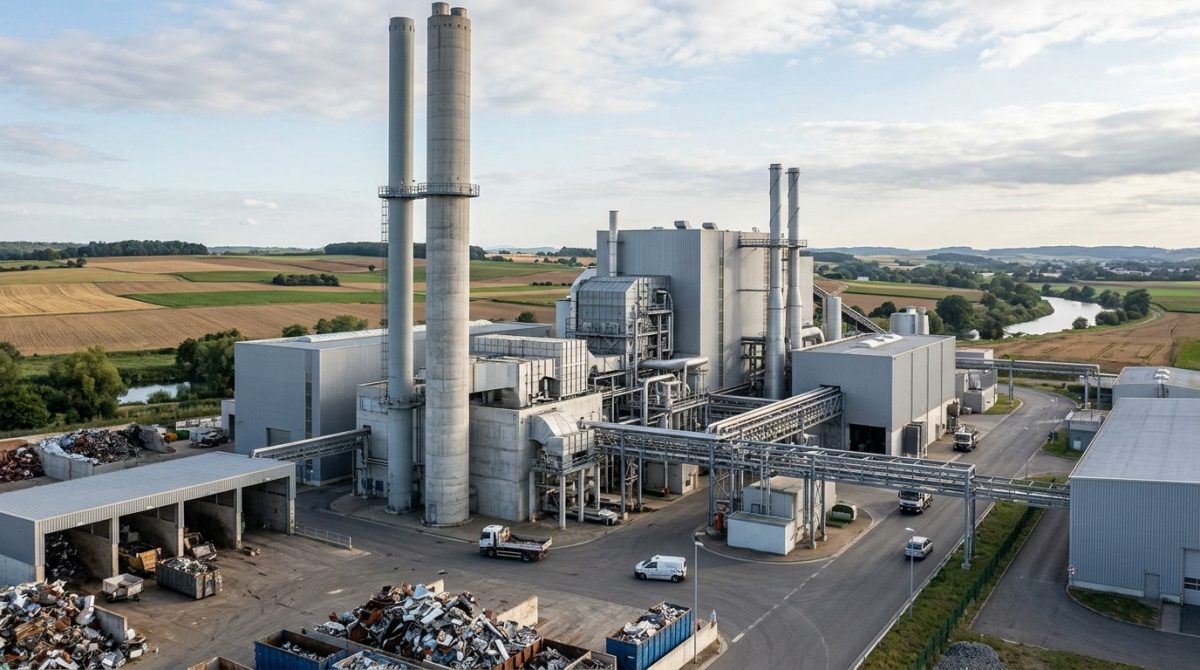
Researchers at the Karlsruhe Institute of Technology (KIT) are collaborating with EEW Energy from Waste to address carbon dioxide emissions generated by thermal waste treatment facilities. The initiative, known as NECOC 2.0, seeks to capture exhaust gases and transform them into usable raw materials. The project has received over 5 million euros (5.5 million USD) in funding from the Federal Ministry for Economic Affairs and Energy (BMWi).
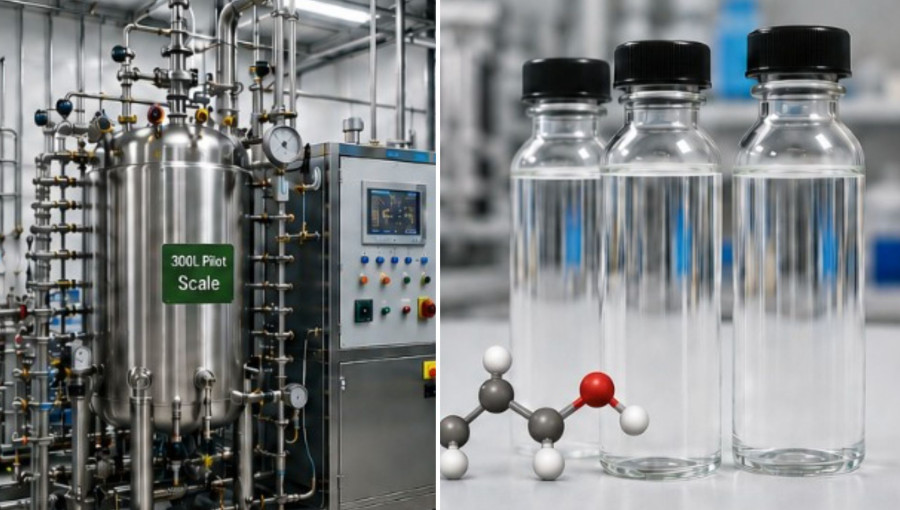
The technical process involves two primary stages. Captured carbon dioxide is first reacted with hydrogen to produce methane. This methane is then passed through a reactor containing liquid tin, where high temperatures break the substance down into hydrogen and carbon. The hydrogen is recycled back into the initial stage of the process, while the carbon is recovered as a fine black powder.
According to Professor Thomas Hirth, Vice President for Transfer and International Affairs at KIT, the project represents a significant step toward the practical implementation of emission reduction technologies. Timo Poppe, CEO of EEW Energy from Waste, noted that carbon capture is essential for the future of thermal waste treatment and that the company is leveraging its industrial experience to support the development of the system.
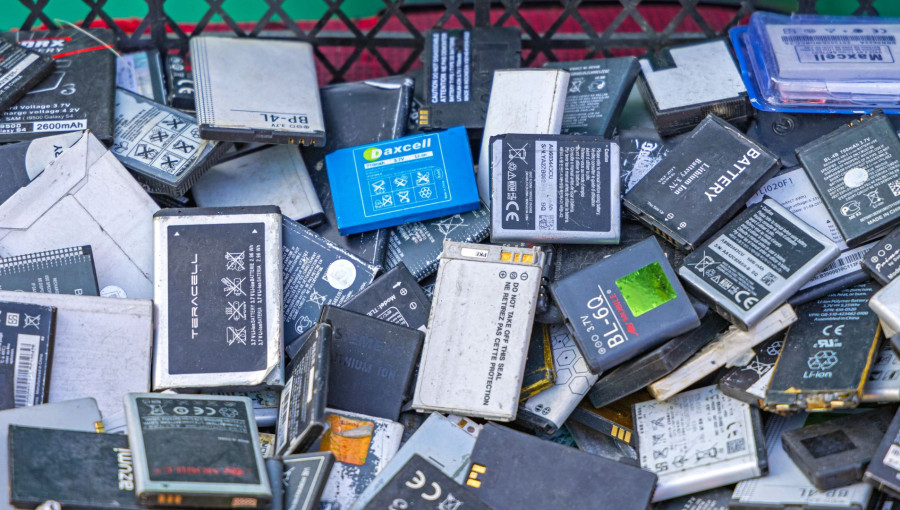
Having successfully demonstrated the chemical process on a laboratory scale, the research team is now designing a full-scale plant to be integrated with an industrial flue gas stream. The project aims to evaluate the viability of the recovered carbon powder for use in various industrial applications, including building materials and battery electrodes. Dr. Benjamin Dietrich of the Institute of Thermal Process Engineering at KIT stated that the technology offers a pathway to reduce emissions while simultaneously providing valuable carbon for manufacturing.