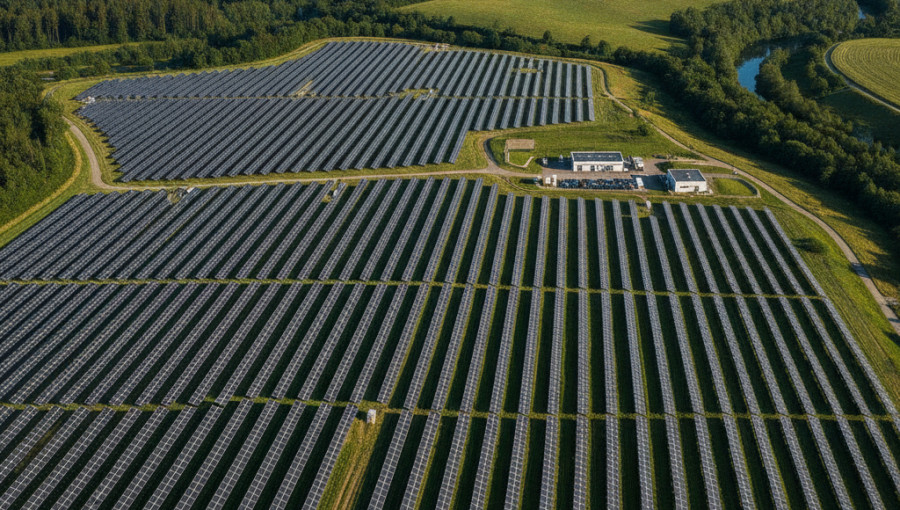
Solar PV Projected To Become World Primary Electricity Source
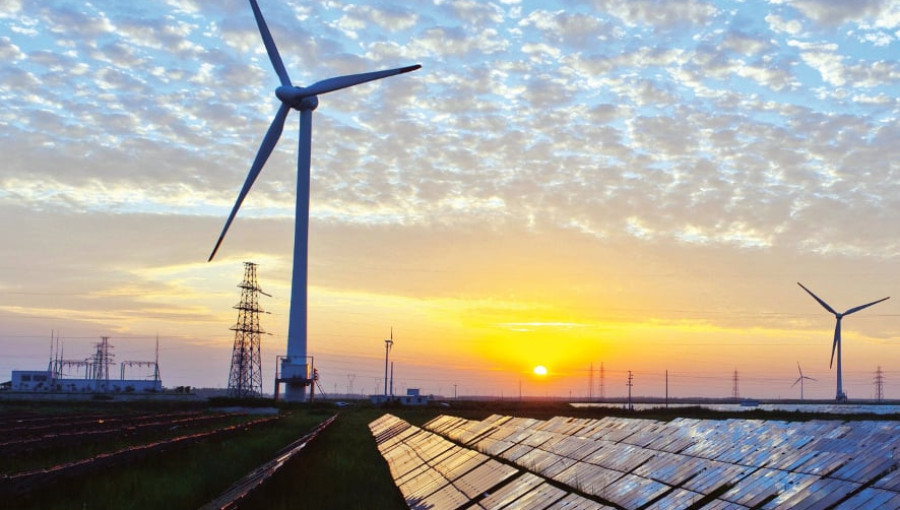
The global energy landscape is shifting toward an electricity-led era, with solar PV projected to become the world’s primary source of electricity generation by 2032. According to BloombergNEF’s latest outlook, electricity will satisfy two-thirds of new energy demand through 2050, fueled by the rapid expansion of electric vehicles and data centers. While emerging technologies like nuclear and geothermal receive significant investment, solar PV and battery storage remain the most cost-effective and scalable solutions. By prioritizing these clean energy technologies, nations can enhance energy security and mitigate the economic risks associated with volatile fossil fuel imports.
Data centers are a significant driver of this transition, with their capacity reaching 84GW in 2025. This sector currently accounts for 1.9% of global electricity demand, a figure expected to climb to 10% by 2050. To support this growth, the global power grid must become increasingly flexible. BloombergNEF anticipates that by 2035, the volume of shifted megawatt-hours will rise to 11%, up from 3% today, as storage capacity expands 17-fold to 3.8 terawatts by mid-century.
The push for electrification is largely driven by the need to reduce reliance on imported fossil fuels, a vulnerability highlighted by recent geopolitical conflicts. Countries such as Vietnam, Japan, India, and Indonesia are positioned to see the greatest GDP gains by transitioning to low-carbon alternatives, as they currently spend between 3% and 6% of their GDP on energy imports. By deploying solar PV and other clean technologies at scale, these nations can bypass traditional energy dependencies while simultaneously lowering CO2 emissions and strengthening their domestic energy security.