Spain Successfully Tests Large Scale Hydrogen Power Engine
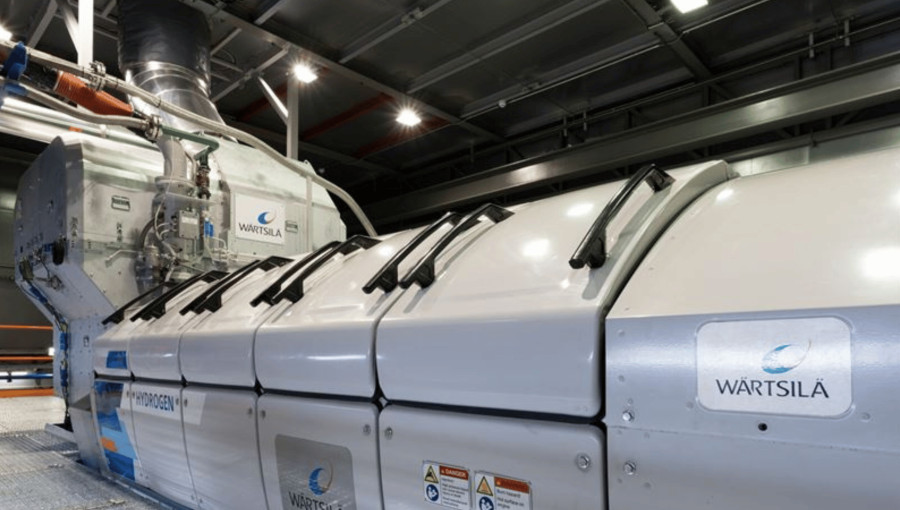
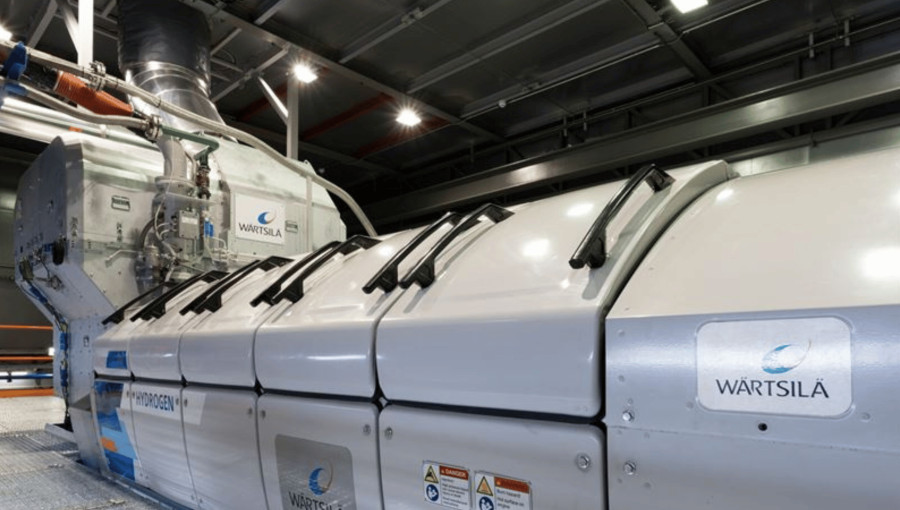
A large-scale engine fueled entirely by pure hydrogen has successfully delivered electricity to Spain’s national power grid, marking a significant milestone in sustainable energy technology. As global reliance on intermittent sources like solar and wind grows, this demonstration proves that hydrogen can provide a reliable, emission-free backup during periods of low renewable generation or high demand. The Wärtsilä 31H2 engine, currently the largest of its kind, offers a flexible solution for maintaining grid stability. While the technology is proven, experts emphasize that widespread adoption now depends on establishing supportive infrastructure, clear investment pathways, and updated regulatory frameworks.
The recent trial in Spain highlights a critical advancement in the energy transition. While renewable sources like solar panels and wind turbines are essential, they are often limited by weather conditions. Hydrogen engines offer a dispatchable alternative that generates electricity without the carbon emissions associated with fossil fuels. By integrating this technology, energy-intensive sectors such as manufacturing plants and data centers could eventually maintain clean operations even when disconnected from the primary grid.
Rasmus Teir, Director of Technology Strategy & Decarbonisation at Wärtsilä, noted that the successful operation of the 31H2 engine confirms that large-scale hydrogen power is a viable component for future energy systems. The project serves as a blueprint for how nations can balance their power grids as they continue to scale up renewable energy capacity. Moving forward, the primary challenge lies in navigating the regulatory and infrastructural requirements necessary to transition this innovation from a successful demonstration into a standard feature of the global energy landscape.