Sungrow Breakthrough Stabilizes Solar Power Against Grid Oscillations
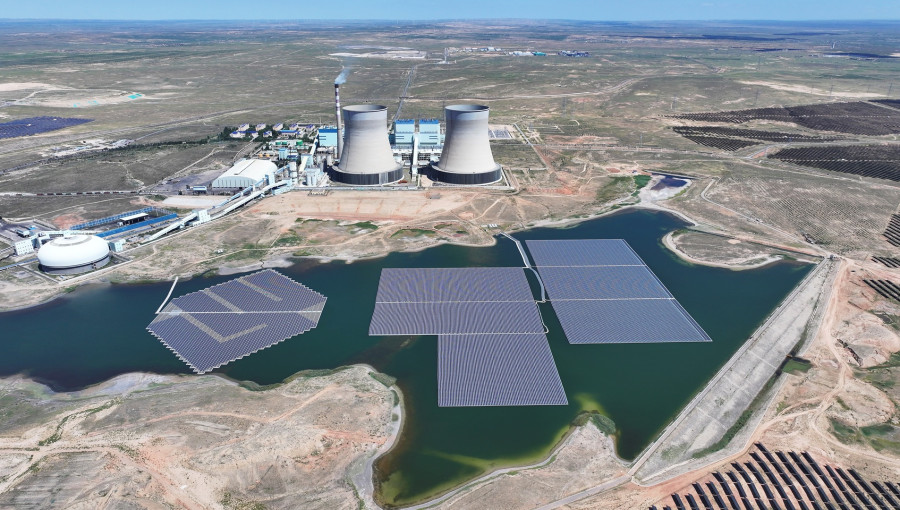
Engineers in China have successfully demonstrated a new technology capable of detecting and suppressing wideband oscillations at a 500-megawatt solar-plus-storage facility. Conducted by Sungrow in Qinghai, this field test marks a significant milestone in grid stability for renewable energy. By deliberately triggering these rapid electrical fluctuations under weak-grid conditions, the team proved that their grid-strength adaptation technology could identify instability and adjust control strategies within 40 milliseconds. This breakthrough aims to prevent the equipment shutdowns and grid disconnections that have historically plagued large-scale renewable projects, ensuring more reliable power delivery as global energy systems transition.
Wideband oscillations represent a persistent challenge for renewable power systems, as these rapid fluctuations can destabilize operations and force generating equipment to go offline. Previously, these events were difficult to study outside of simulations, but the Sungrow team successfully reproduced them by manipulating power output, system short-circuit ratios, and inverter control parameters at the Qinghai plant. By utilizing specialized photovoltaic inverters, the system was able to stabilize voltage and frequency almost instantaneously, demonstrating a robust response to grid disturbances that could otherwise lead to significant power losses.
The demonstration also highlighted the effectiveness of grid-forming control technology, which allows power electronics to actively support the grid rather than merely reacting to its conditions. This approach proved capable of maintaining stability across a wide range of grid strengths and mitigating transient overvoltage. Such capabilities are vital for preventing major disruptions, similar to past incidents at offshore wind and high-voltage direct current projects where oscillations led to extensive equipment damage and widespread power outages.
Moving forward, the success of this field test suggests that oscillation-control technology is ready to transition from laboratory environments to real-world applications. By enabling renewable plants to remain connected even under extremely weak-grid conditions, this innovation promises to reduce generation losses and increase the total electricity exported by solar facilities. Sungrow intends to continue refining these grid-forming controls and coordination technologies, viewing them as essential components for building a secure, stable, and efficient energy infrastructure capable of supporting the next generation of power systems.