Swiss Pilot Installs Solar Panels Between Railroad Tracks
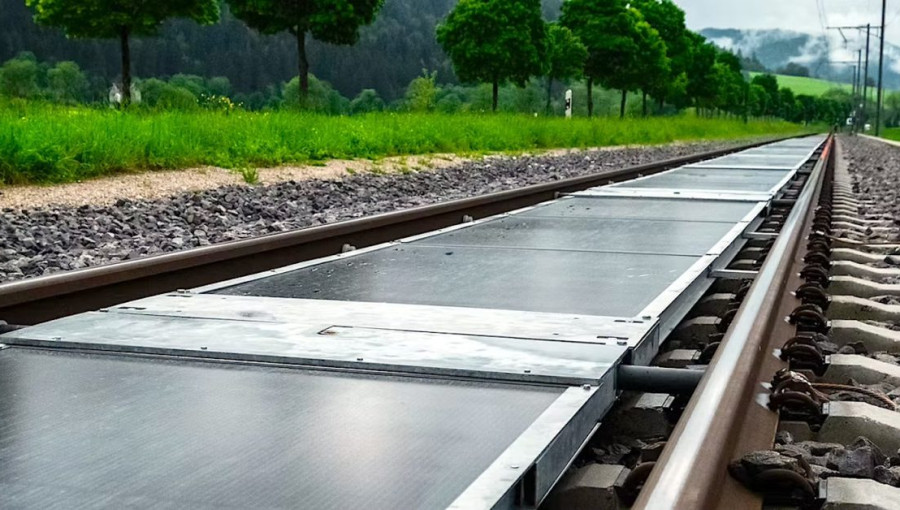
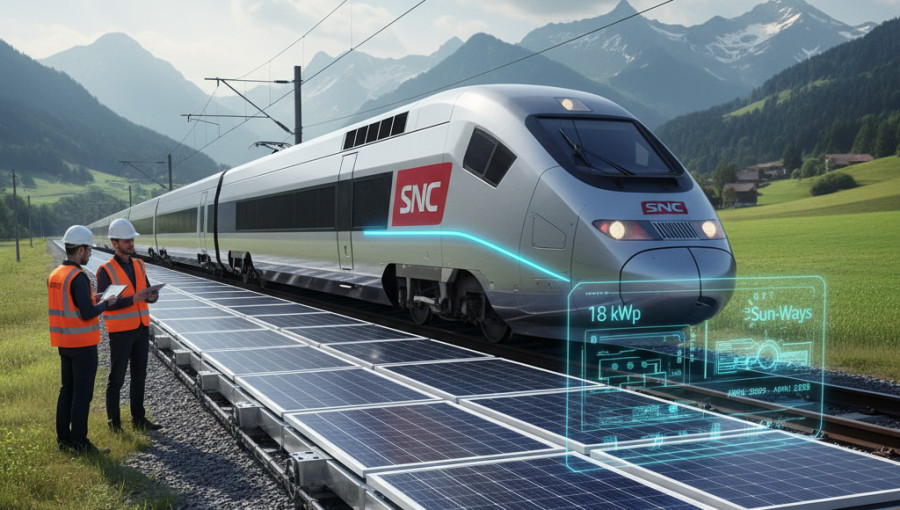
A Swiss pilot project has successfully demonstrated a novel method for generating renewable energy by installing solar panels directly between railroad tracks. Developed by the startup Sun-Ways, this innovative system utilizes existing rail infrastructure to host PV modules without disrupting train operations. By repurposing space that is already in use, the technology avoids the land-use conflicts often associated with large-scale solar farms. Recent testing confirmed that the installation remains stable and safe even as thousands of trains pass over it, offering a scalable, dual-use solution that could significantly boost clean electricity production across existing rail networks.
The technology relies on patented, interlocking solar panels that are deployed using a specialized machine created by the rail servicing firm Scheuchzer AG. This equipment can install up to 300 meters of PV panels per hour, allowing for rapid deployment across standard rail lines. Each commercial panel, measuring approximately two meters in length, contributes to an efficient installation process that requires no new land development or structural reinforcement of rooftops. The electricity generated can be fed back into the power grid, directed to railway stations, or used to provide direct power to trains as they travel.
Founder Joseph Scuderi noted that the pilot has met all objectives regarding both railway safety and energy output. With over 11,000 trains having passed over the modules during the testing phase, the system has proven its durability in a high-traffic environment. This approach represents a significant advancement in dual-use solar infrastructure, as it generates clean energy without the need to clear forests, occupy productive farmland, or perform complex rooftop engineering. If scaled effectively, the technology could turn vast stretches of existing rail corridors into productive power-generating assets, providing a sustainable way to increase renewable capacity while utilizing land that is already dedicated to transportation.