Widespread Heat Pump Adoption Could Lower Residential Electricity Rates In U.S
A new study suggests that utilizing spare winter grid capacity for heat pumps can spread fixed costs and reduce electricity rates for all customers.
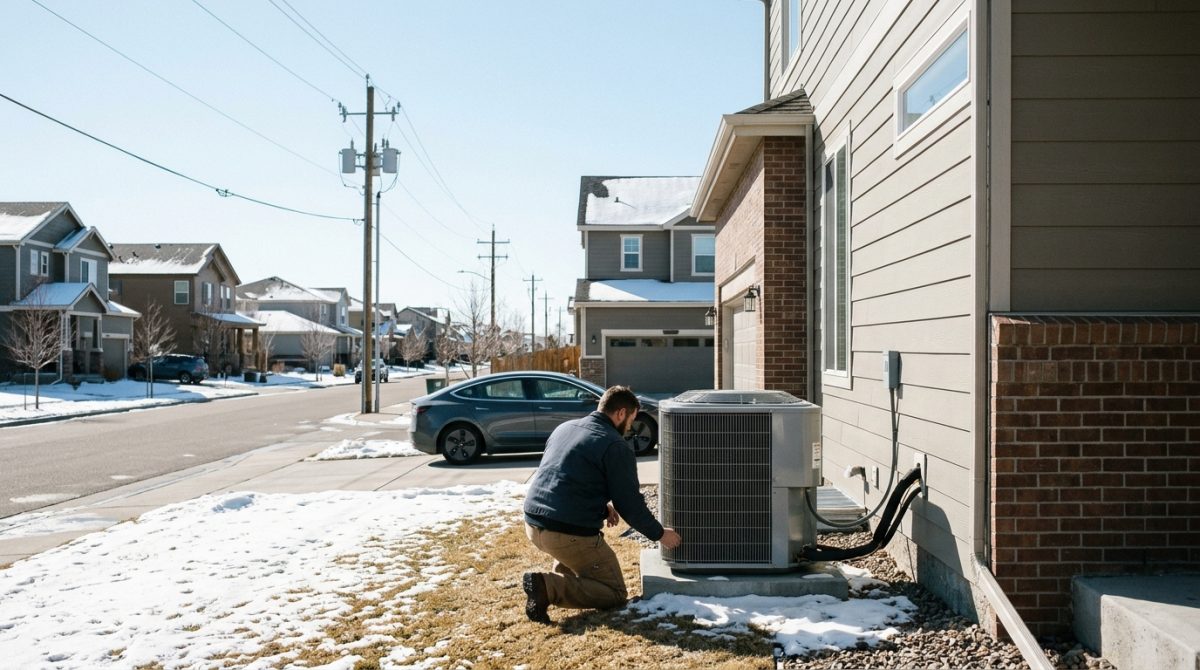
A new study from the clean energy think tank RMI indicates that increasing the use of heat pumps in the United States could help lower residential electricity rates. By utilizing spare grid capacity during winter months, heat pumps can help distribute fixed grid costs—such as those for poles, wires, and power plants—across a larger volume of electricity consumption.
The research analyzed 24 states and Washington, D.C., finding that many regions experience peak grid demand in the summer due to air conditioning. In winter, however, approximately half of U.S. states possess sufficient spare capacity to support additional heat pump demand without requiring expensive grid upgrades. The study estimates that maximizing heat pump deployment could reduce residential electricity rates by an average of 13% compared to projected inflation-adjusted costs.
Ryan Shea, a co-author of the study and manager on the carbon-free buildings team at RMI, compared the grid to a toll bridge. By increasing the number of users, the fixed costs are spread among more customers, lowering the price per unit. In Michigan, for example, the study suggests that installing 3.6 million heat pumps could potentially lower residential rates by up to 27%.
The research also highlights the potential of hybrid systems, where heat pumps are paired with existing fossil-fueled furnaces or boilers for use during the coldest hours. In Illinois, the study found that a mix of 79% hybrid systems and 21% all-electric systems would be optimal for utilizing grid headroom while driving down rates. Parth Vaishnav, an assistant professor of sustainable systems at the University of Michigan, noted that hybrid solutions can effectively reduce greenhouse gas emissions and improve grid utilization.
While the study focuses on rate reductions, experts note that individual bill savings depend on factors such as home insulation, current heating fuel prices, and the efficiency of the installed system. To encourage adoption, regulators could implement policies such as requiring heat pumps to replace standard air conditioners or offering specialized winter electricity rates for heat-pump households, a strategy that saved Massachusetts customers at least $37 million last winter.