
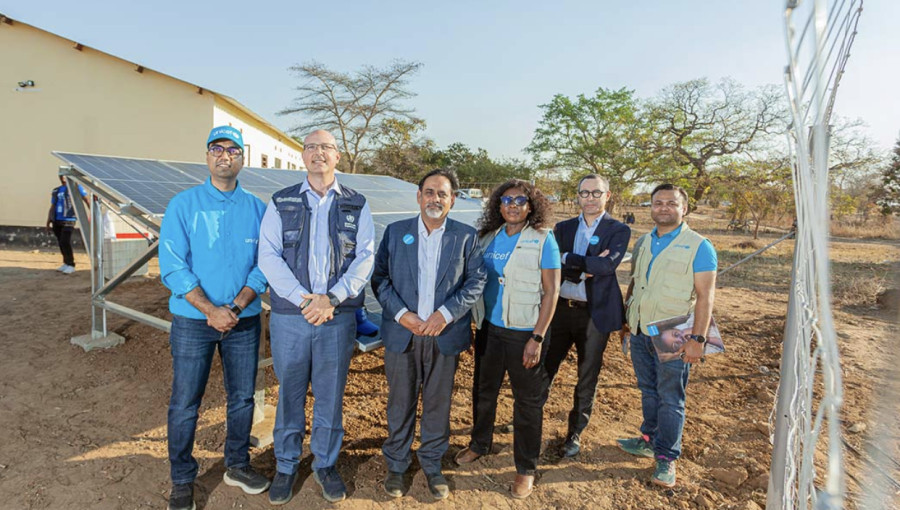
Zambia has launched a groundbreaking solar clinic project under Gavi’s $28 million Health Facility Solar Electrification (HFSE) initiative, aimed at providing renewable energy to health facilities. This initiative targets the electrification of 1,277 clinics across four countries by mid-2026, enhancing health services for 1.3 million people in Zambia. The solar project, inaugurated at the Mwalumina Rural Health Centre, aims to improve the storage of vaccines and essential medicines, support the use of medical equipment, and improve health outcomes, particularly in rural communities where electricity is scarce.
The weekend event marked a significant step towards providing reliable solar power to 250 Zambian health facilities. Zambian Health Minister Dr. Elijah Muchima emphasized the importance of this initiative for investing in healthier communities and strengthening the healthcare system. The program focuses on health facilities that offer maternity services and operate in remote areas, ensuring that vaccines and essential medicines are accessible to every child.
Several vaccines, including those for COVID-19, require refrigeration, posing challenges to rural clinics lacking consistent electricity. Gavi CEO Dr. Sania Nishtar highlighted that the solar initiative would illuminate maternity wards, secure vaccine storage, and reach underserved communities. The HFSE initiative also aims to enhance the climate resilience of healthcare facilities by reducing dependence on traditional energy sources and minimizing carbon emissions. By the end of the project in June 2026, an estimated 25 million people are expected to benefit from improved health services, including expanded immunization access and clean water availability.
Ethiopia’s HFSE launch took place in October 2024, with plans to improve services for around 6.7 million people by electrifying 300 health facilities. Thabani Maphosa from Gavi pointed out that addressing climate change can reduce disease burdens in vulnerable communities, highlighting electricity access as crucial for quality healthcare. Gavi has also been instrumental in promoting solar-powered cold chain equipment through its Cold Chain Equipment Optimisation Platform (CCEOP), established in 2016 to assist countries in acquiring essential storage technology.
In addition to the solar project, Zambia introduced the DRIVE initiative, which aims at direct delivery of vaccines and essential health supplies to clinics. This project will employ community volunteers and young people to ensure accessibility while creating local jobs. According to UNICEF’s Zambia Representative Dr. Nejmudin Kedir Bilal, both initiatives are interconnected, enhancing healthcare accessibility and helping communities adapt to climate challenges. The HFSE initiative is supported by UNICEF and the World Health Organization, reflecting a broader commitment to improving healthcare in Zambia and beyond.
https://healthpolicy-watch.news/zambia-launches-ambitious-solar-clinic-project/