
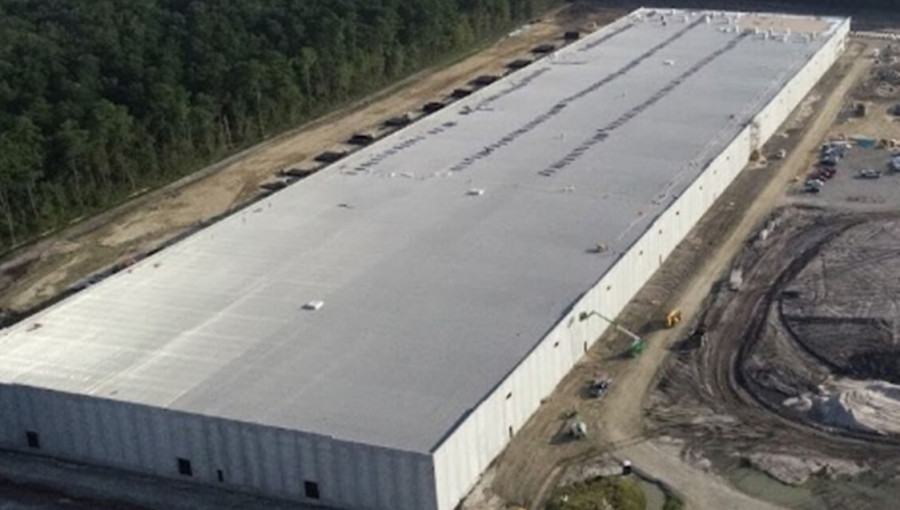
A new solar factory is under construction in North Carolina by Boviet Solar, set to begin operations in 2026. This development reflects a broader revival in the U.S. solar industry amid challenging times, reinforcing partnerships between the U.S. and Vietnam, particularly following the establishment of the U.S.-Vietnam Comprehensive Strategic Partnership. The factory aims to create jobs and strengthen the domestic solar supply chain, complementing Boviet’s existing facilities in the state and supporting local economic growth and clean energy initiatives.
The latest indication of the forthcoming PV renaissance is a new solar factory under construction in North Carolina, on track to commence operations in 2026. Considering the topsy-turvy state of U.S. foreign relations these days, it’s worth noting that the new solar factory comes under the umbrella of the leading global firm Boviet Solar, which is headquartered in Bac Giang City in the northeastern part of Vietnam. Much water has passed under the bridge since the last U.S. combat troops exited Vietnam, back in 1973. “U.S.-Vietnam relations have become increasingly cooperative and comprehensive, evolving into a flourishing partnership that spans political, economic, security, and people-to-people ties,” the U.S. Department of State noted, following the launch of the 2023 U.S.-Vietnam Comprehensive Strategic Partnership. The CSP is described as “an overarching framework for advancing the bilateral relationship, and built on preceding Joint Statements issued over the last ten years by the two countries’ leaders in 2013, 2015, 2016, and 2017,” the State Department added. Only time will tell if the Trump administration honors both the spirit and the letter of the CSP. As of earlier this summer, at least, the spirit was still in play.
On June 20, the U.S. Mission to Vietnam launched a new “30 Years of U.S. – Vietnam Relations” campaign, aimed at reaffirming and expanding ties between the two nations. “Over the past 30 years, the U.S.-Vietnam relationship has grown into a powerful partnership to advance our shared economic and security goals,” the Mission explained. Speaking of shared economic and security goals, the new solar factory is an excellent demonstration of those things. The economic benefits to the U.S. are straightforward. In addition to creating new jobs within its walls, a new factory can act as an anchor institution that stirs activity throughout a community and beyond. In particular, a new solar factory has a knock-on effect that ripples into other features of the domestic solar industry, including new jobs related to academic research and technical training as well as hands-on construction and installation employment.
Back in January, for example, Boviet cut the ribbon on its first solar factory in North Carolina. Located in Greenville, the sprawling 2-gigawatt solar module factory brought 900 new jobs to the state. Among those marking the occasion was North Carolina Governor Josh Stein, who emphasized the big-picture role of the new factory. “As our state grows, so do our energy needs. I look forward to partnering with Boviet Solar to strengthen our workforce and build stronger clean tech infrastructure in North Carolina,” Stein said. “With nearly 110,000 people working in our clean energy sector, North Carolina ranks ninth in the nation for clean energy jobs,” added the state’s Commerce Secretary, Lee Lilley. “Boviet is a powerful addition to our supply chain that includes a roster of 220 solar companies that are helping to provide more low-carbon energy sources.”
Boviet’s second solar factory in North Carolina completes the domestic supply chain picture. Also located in Greenville, the new facility will supply made-in-the-U.S. solar cells to the first factory, which commenced operations in April. “Together, these two facilities will create a fully integrated U.S. manufacturing hub, capable of producing both PV cells and modules domestically, strengthening America’s solar supply chain while providing customers with top-performing, Made-in