
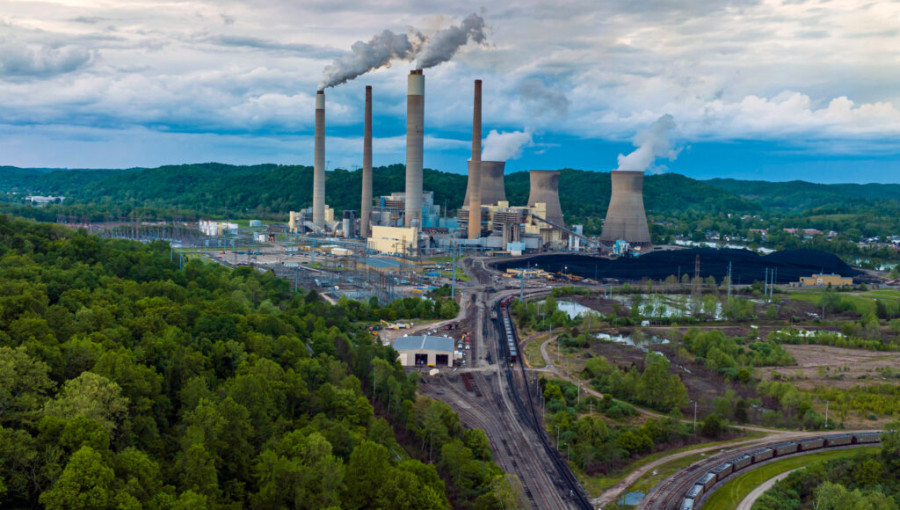
In the first half of the year, coal and utility-scale solar power in the U.S. saw significant market share gains while natural gas lost ground. This shift is primarily attributed to rising natural gas prices, which have made coal a more appealing option for power generation. As energy demand grows, particularly from large users like data centers, the electricity generation landscape is evolving. The data released by the Energy Information Administration indicates a composite increase in utility-scale resources, with a notable rise in coal’s share despite the long-term trend favoring renewables.
The recent shift in the U.S. power system shows coal and utility-scale solar both gaining market share while natural gas, despite being the current leader, lost some ground. This change can largely be explained by the rising costs associated with natural gas, making coal a more competitive option for some power plant operators. Analysts note that plant owners are highly responsive to price differences in fuels, leading to a temporary increase in coal usage as gas prices rose.
In terms of overall electricity generation, U.S. power plants produced 2.1 million gigawatt-hours of utility-scale resources from January to June, marking a 2.9 percent increase compared to the same period in 2024. This upward trend was reflected in the market shares of various resources: natural gas dropped by 2.7 percentage points while coal gained 2 percentage points, with renewables, primarily utility-scale solar, increasing 1.5 percentage points. Wind and hydropower, in contrast, remained stable.
Michael Goggin, vice president of Grid Strategies, explains that the sharp rise in natural gas prices in the first half of the year has significantly influenced market dynamics. He points out that as operating costs for coal become comparatively lower due to higher gas prices, utilities may opt to run coal plants more frequently. Concurrently, demand for electricity is surging, particularly from large consumers, prompting a corresponding increase in supply.
Despite a modest 2.9 percent increase in overall generation, this is significant when juxtaposed with two decades of minimal change in net generation. This shift is beneficial for power plant owners, encouraging substantial investment in natural gas, renewables like wind and solar, and battery systems. However, new coal-fired plants are notably absent from the construction landscape, with the most recent significant coal plant, Sandy Creek in Texas, coming online in 2013.
Even with support from recent administrative policies aimed at prolonging the life of aging coal plants, such as the J.H. Campbell plant in Michigan, these increases in coal generation appear to be short-term fluctuations rather than indicative of a sustainable future. Experts like Brendan Pierpont from Energy Innovation stress that these short-run gains do not alter the long-term decline of coal, as aging plants lead to higher operational costs and reduced competitiveness.
The upswing of utility-scale solar power in states like California and Texas suggests a broader trend in renewable energy adoption. Texas is now nearly tied with California for the lead in utility-scale solar generation, demonstrating the growing momentum for solar investments as states like Ohio, Illinois, and Indiana have also seen significant increases in output this year.
Although rooftop solar remains a vital contributor to energy independence, its scale is smaller in comparison to utility-scale projects. The output from small-scale solar represents about one-third of the total electricity generated from utility-scale systems, highlighting the diverse strategies consumers are employing to contribute to the grid.
Overall, the first half of the year has illustrated a marked trend towards increased renewable energy generation and a relative decline in fossil fuel reliance, particularly natural gas and coal. While the Trump administration’s recent policies may provide a temporary boost to coal, the pervasive market trends suggest that long-term growth will increasingly favor renewable solutions, particularly solar and wind, as they continue to develop as economically viable alternatives.
In other news this week, the Trump administration has launched initiatives aimed at curtailing offshore wind development, stirring controversy among stakeholders including fishermen impacted by halted projects. Additionally, the administration is focusing on expanding electric