
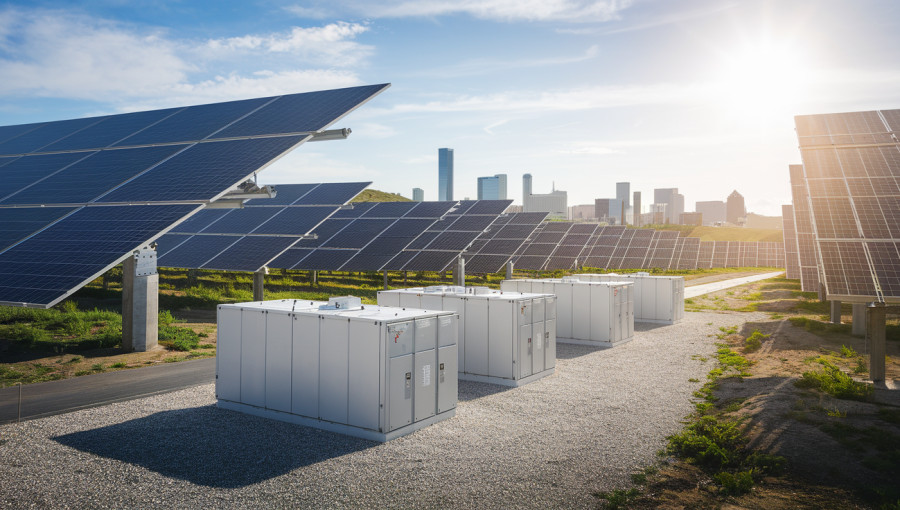
The push for clean energy in California is yielding significant results as solar power continues to eclipse gas generation this year. From January to July, solar energy accounted for 39% of the state’s electricity supply—an unprecedented figure—while fossil fuels dropped to a record low of 26%. This shift is attributed to advancements in battery technology that allow excess solar energy to be utilized during peak evening hours. As the state moves away from fossil fuels, it showcases the potential of renewable energy sources across the nation.
In recent months, California has witnessed remarkable milestones in solar energy production. Notably, solar power delivered a staggering 21.7 gigawatts at noon on July 30, a new record for the California Independent System Operator. Additionally, two days later, the state’s battery systems reached an unprecedented discharge level of nearly 11 gigawatts, hinting at the growing reliability of energy storage solutions. Overall, this summer has been marked by numerous clean energy achievements that highlight California’s commitment to sustainable power generation.
Despite the nationwide reliance on natural gas, which constituted over 40% of the U.S. electricity supply last year, California stands out for its ambitious solar initiatives. Although gas has dominated since 2016, the state’s energy landscape is changing thanks to substantial investments in solar technology and supportive policies. Historically, utilities struggled to balance energy demands, often relying on fossil fuels during nighttime. However, the recent surge in solar and battery integration demonstrates a significant transition away from gas dependence.
Efforts to enhance California’s grid have been driven by the decreasing costs associated with solar operations, which offer a stark contrast to the escalating prices of natural gas amid rising demand both locally and internationally. This competition has begun to affect the operational hours of gas plants, particularly during peak electricity demand.
The trends in California are reflective of broader national patterns, where new gas developments are scarce while solar and battery projects are on the rise. While states like Texas have outpaced California in developing solar resources, the latter remains a model for energy transformation, paving the way for other regions to adopt similar changes. The ongoing efforts in California highlight the potential for significant advancements in clean energy, despite challenges posed by federal policies aimed at slowing renewable adoption. As solar initiatives gain momentum, they seem poised to shape the future of energy in California and beyond.