
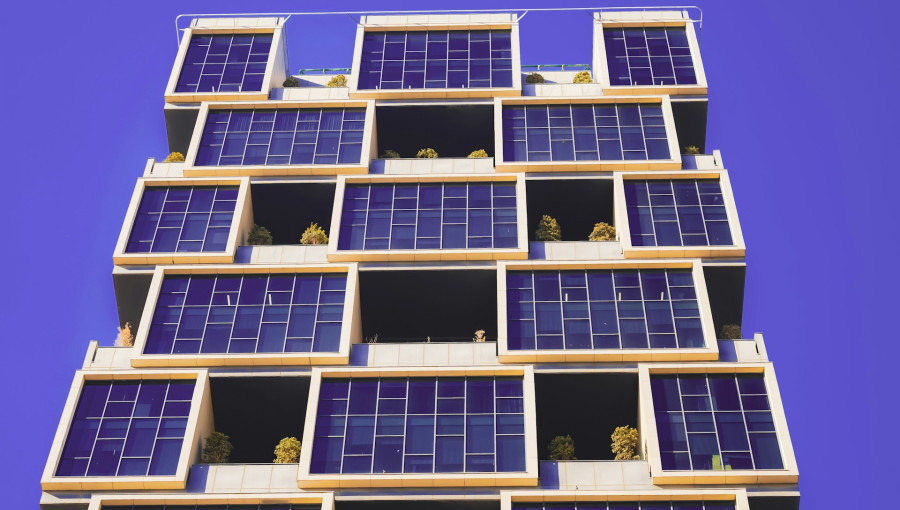
A grassroots energy movement is rapidly expanding across Germany, where over a million small-scale solar power systems are now operating from apartment balconies and terraces. These simple, plug-in solar setups, known as “Balkonkraftwerke,” empower residents, particularly renters, to generate their own clean electricity. This trend not only provides financial savings for households but also makes a substantial contribution to the nation’s renewable energy targets and significantly reduces CO2 emissions, setting a powerful example for the rest of Europe.
Germany has quietly reached a major milestone in decentralized power generation, with the number of balcony-mounted solar installations surpassing one million. While official registers recorded just under 976,000 systems by mid-2025, industry experts estimate the actual figure is much higher due to unregistered units and reporting delays. This surge represents a fundamental shift in energy production, allowing millions of people who rent their homes to participate directly in the country’s transition to clean energy for the first time.
The appeal of these systems lies in their simplicity and accessibility. A typical setup consists of two solar panels and a micro-inverter that converts solar energy into household electricity, which is then fed into the home’s grid via a standard wall socket. German regulations cap the output of these systems at 600 to 800 watts. An 800-watt system can generate approximately 760 kilowatt-hours of electricity annually, sufficient to power a refrigerator, lights, and various small electronic devices, offsetting a notable portion of a household’s energy consumption.
Economically, the investment is highly attractive. With purchase and installation costs ranging from €400 to €800, and given Germany’s electricity price of about €0.35 per kilowatt-hour, owners can expect to recoup their initial outlay in as little as 2.5 to 5 years. Considering the 20-plus year lifespan of the solar panels, the electricity generated after the payback period is effectively free. Furthermore, the market is evolving, with 40% of new buyers in 2025 opting for battery storage—double the rate from 2023—to store excess energy for use at night or on overcast days.
This boom has been fueled by a supportive legal framework. Landmark legislation passed in 2024 granted renters, who make up over half of Germany’s population, the legal right to install balcony solar systems. Landlords can now only object on valid grounds such as structural or safety risks. In the first half of 2024 alone, these installations added 200 megawatts of new solar capacity. By early 2025, building-mounted solar, including both balcony and rooftop systems, accounted for nearly 60% of all new solar capacity, helping push Germany’s total to 94.6 gigawatts. Many cities also offer subsidies, further lowering the entry cost for residents.
The cumulative environmental impact is significant. Each 800-watt system prevents around 310 kilograms of CO2 emissions annually by displacing grid electricity. With one million systems in operation, Germany is avoiding approximately 310,000 metric tons of CO2 emissions each year—equivalent to taking nearly 67,000 gasoline-powered cars off the road. Over their projected 25-year lifespan, these installations are expected to prevent 7.75 million metric tons of CO2 emissions, directly supporting Germany’s goal of achieving 215 gigawatts of solar capacity by 2030.
Germany’s success is inspiring a continental trend, with the European balcony solar market projected to grow from $500 million in 2025 to $1.8 billion by 2033. Nations like Belgium are embracing similar plug-and-play models, while others are working to streamline regulations for renters. However, progress is uneven, as some countries, like the United Kingdom, still have regulatory barriers related to building codes that hinder adoption. The German model demonstrates how accessible technology and forward-thinking policy can democratize renewable energy, turning urban landscapes into a mosaic of small-scale power plants.