
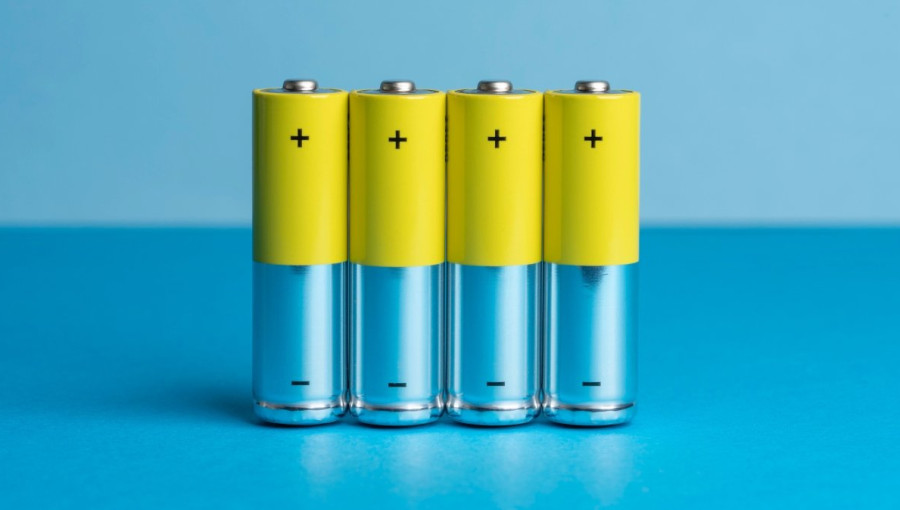
Despite their ubiquity in daily life, batteries remain a source of significant confusion, leading to the persistence of several common misconceptions. From the outdated practice of refrigerating cells to the habit of manually closing smartphone applications, many users follow advice that is either obsolete or counterproductive. Modern lithium-ion technology and sophisticated software management have fundamentally changed how energy storage devices should be handled. Understanding the reality of temperature control, charging cycles, and operating system behavior is essential for maximizing the lifespan and efficiency of contemporary electronic devices.
One of the most enduring myths suggests that storing household batteries in a refrigerator or freezer can preserve their charge. However, major manufacturers caution against this practice, noting that extreme cold provides no measurable benefit to storage life. Instead, refrigeration can introduce moisture through condensation, leading to corroded contacts or damaged seals. For optimal performance, batteries should be kept in a dry environment at room temperature, ideally between 20 and 26 degrees Celsius. Exposure to consistent heat remains the primary threat to battery longevity, as high temperatures accelerate the degradation of chemical components.
Concerns regarding overnight charging and reaching a 100 percent capacity are also largely outdated due to advancements in power management. While it is true that a lithium-ion battery has a longer lifespan when maintained between 40 and 80 percent charge, modern smartphones now manage this process automatically. Features such as “optimized battery charging” on iOS and “adaptive battery” on Android learn user routines, holding the charge at 80 percent for most of the night and only completing the final 20 percent shortly before the user typically begins their day. This software intervention effectively mitigates the physical wear associated with prolonged full charges.
Similarly, many users manually close background applications in an attempt to save power, but this habit does not align with how modern mobile operating systems function. Both Android and iOS are designed to suspend inactive applications, preventing them from consuming CPU resources or draining the battery. To effectively extend battery life during a low-power situation, users should instead focus on reducing screen brightness or enabling integrated battery saver modes. These settings restrict background data synchronization and automatic updates, which are the actual drivers of energy depletion.
Finally, the “memory effect”—the belief that a battery must be fully discharged before recharging to maintain its capacity—is a relic of older nickel-cadmium technology. Even during the era of nickel-cadmium dominance, this phenomenon was rarely observed outside of specialized aerospace applications involving highly repetitive cycles. Modern lithium-ion batteries do not suffer from this issue, meaning users can charge their devices at any percentage without risking a permanent loss in total storage capacity.
https://www.popsci.com/diy/4-battery-myths-and-why-theyre-not-true/