
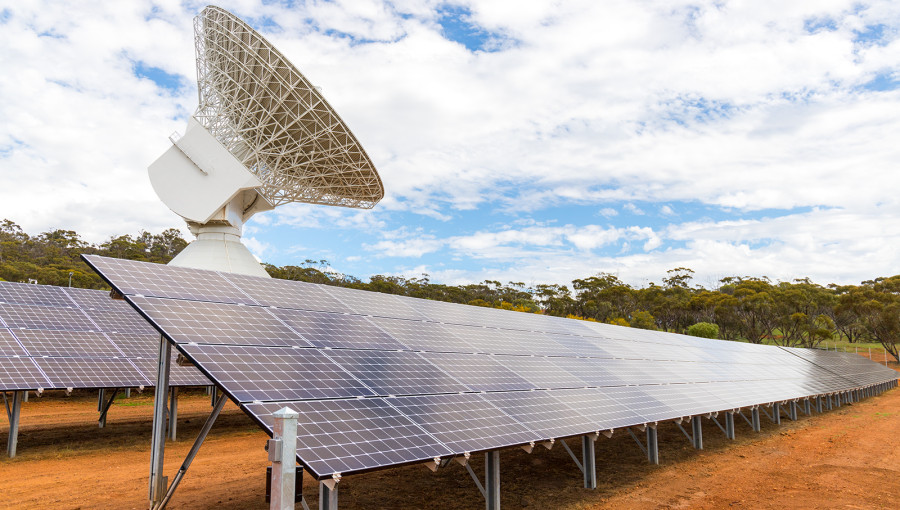
South Australia is poised to become the first major jurisdiction in the world without a large-scale hydroelectric base to achieve 100% net renewable electricity by 2027. Supported by the federal Renewable Energy Transformation Agreement, the state will accelerate its transition by integrating at least one gigawatt of new wind and solar generation alongside 400 megawatts of battery storage. This landmark shift, moved forward from an original 2030 target, aims to eliminate nearly all CO2 emission from the power sector while establishing a global blueprint for grid reliability and economic growth through sustainable energy.
The agreement marks a significant turning point for the state, which covers approximately 983,000 square kilometers. The planned expansion of wind and solar module installations is expected to generate enough electricity to power roughly 700,000 homes. Meanwhile, the accompanying battery infrastructure will provide essential backup, capable of supplying 280,000 households during peak demand periods. These developments are designed to work in tandem with Project Energy Connect, a major transmission link currently under construction that will connect South Australia’s grid with neighboring New South Wales.
South Australia already maintains a leading position in the global energy transition, with wind and solar power accounting for approximately 70% of its electricity needs over the last twelve months. Achieving the 100% “net” renewables target means that the total annual production from renewable sources will equal the state’s total consumption. While the grid will still utilize occasional gas generation and interstate imports for balancing, the overall output will signify a complete shift toward green energy independence.
Infrastructure projects are already ramping up to meet the 2027 deadline. After a brief hiatus in new grid connections, several large-scale developments are moving forward, including the 412-megawatt Goyder South wind farm. Furthermore, the city of Whyalla is hosting the construction of the world’s first utility-scale green hydrogen power plant, featuring a 250-megawatt electrolyser. This facility will allow hydrogen to act as both a fuel source and a long-term storage medium, providing the grid with unprecedented flexibility.
The transition is also driving significant industrial interest, with companies seeking low-emission power contributing to over two gigawatts of new energy demand. Beyond environmental benefits, the shift is creating thousands of local jobs in engineering, construction, and maintenance. By proving that a modern economy can run reliably on wind, solar, and storage, South Australia is demonstrating that the move away from fossil fuels is both technically viable and economically advantageous.