
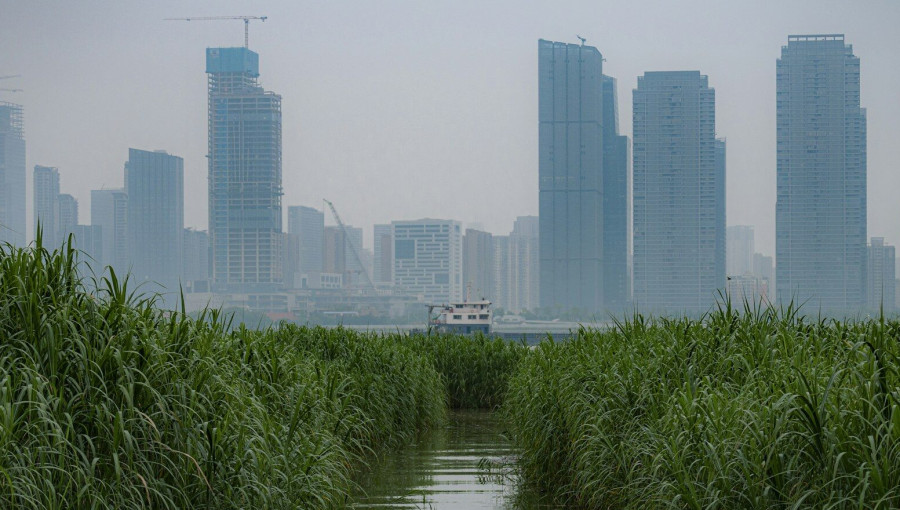
Modern cities are increasingly vulnerable to the dual threats of extreme heat and sudden flooding, as traditional drainage systems struggle to cope with a changing climate. The “sponge city” model offers a nature-based solution, utilizing green roofs, permeable pavements, and wetlands to absorb and slowly release rainwater. By shifting away from purely mechanical “gray infrastructure,” urban planners can mitigate flood risks while simultaneously cooling city streets. This integrated approach prioritizes resilience, groundwater recharge, and public health, transforming hazardous urban runoff into a managed natural resource.
Urban environments are currently facing a volatile climate reality where intense heatwaves are frequently followed by torrential downpours that turn intersections into shallow lakes. Traditional urban design, characterized by dense pavement and dark rooftops, exacerbates these hazards by trapping heat and creating impervious surfaces. This combination forces rainfall into rapid runoff, which quickly overloads drains and floods vulnerable low-lying areas. According to the IPCC, the risks to urban populations and assets are rising, while the EPA warns that a lack of vegetation makes rising temperatures a critical neighborhood-level health issue.
To combat these challenges, the “sponge city” philosophy is gaining momentum worldwide. Unlike conventional engineering that seeks to move water through pipes as quickly as possible, this strategy focuses on slowing water down and spreading it across the landscape. By integrating rain gardens, bioswales, and wetlands, cities can filter pollutants and recharge local groundwater. These nature-based solutions act as a buffer, preventing the cascading failures often seen when rainfall intensity exceeds the design assumptions of traditional culverts and channels.
While gray infrastructure—the network of pipes and concrete drains—remains a component of urban planning, experts argue that relying on it alone is a narrow strategy. Upsizing pipes to meet increasing storm intensity is often prohibitively expensive and causes significant construction disruption. Furthermore, larger pipes do nothing to address the “heat island” effect. In contrast, green infrastructure provides modular, stackable benefits. A well-designed park or green roof not only manages stormwater but also provides shade and reduces the ambient temperature of a neighborhood, improving the general well-being of residents.
However, transitioning to a sponge-like urban fabric requires overcoming significant administrative and logistical hurdles. One of the primary obstacles is the “siloed” nature of city agencies, where parks, water utilities, and transportation departments often operate with separate budgets and conflicting priorities. Maintenance also remains a critical factor; without dedicated funding and trained crews, green installations can fail to perform their intended functions over time.
The Nature Conservancy and UN-Habitat emphasize that the success of these projects depends on quantifying their “co-benefits” to secure funding and public buy-in. Residents may not always prioritize stormwater capacity, but they do value shaded walkways, cooler apartments, and functional public parks. As much of the infrastructure that will define urban resilience for the next century is currently being built or renovated, planners have a unique opportunity to adopt these smarter, nature-aligned design choices to create more livable and climate-resilient cities.