
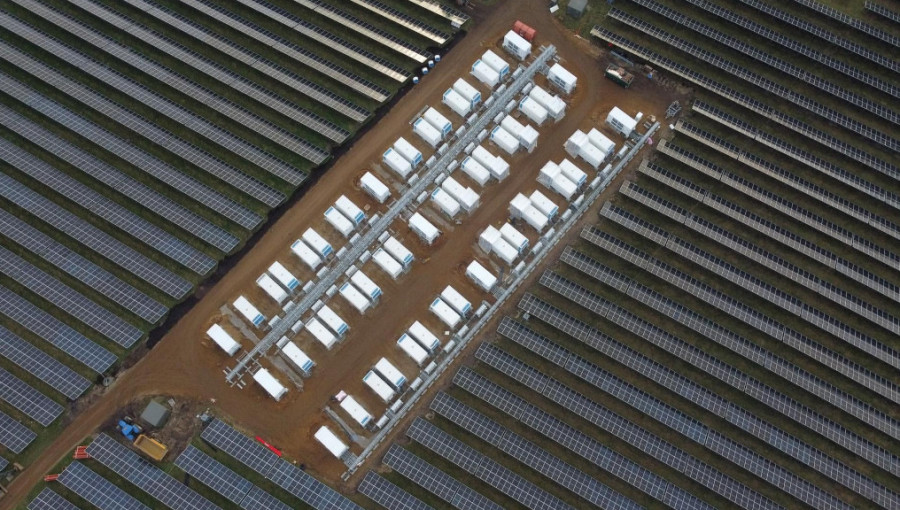
SolarPower Europe has introduced new industry guidelines aimed at optimizing the development and operation of hybrid solar PV and battery storage systems. Unveiled at the Solar Quality Summit in Madrid, the publications include the first Technical Due Diligence Guidelines and an updated Engineering, Procurement & Construction (EPC) report. These documents provide a comprehensive framework for assessing project bankability, managing technical risks, and ensuring long-term performance. By establishing standardized practices for hybrid infrastructure, the association seeks to enhance the reliability and financial sustainability of the European solar market.
The newly released Technical Due Diligence (TDD) Best Practice Guidelines represent a milestone for the sector, offering stakeholders a structured method to evaluate hybrid projects throughout their entire lifecycle. These “health checks,” typically conducted by independent engineers or technical advisers, are vital for maintaining system integrity and securing investment. The framework helps identify and quantify risks associated with combining solar generation with battery storage, ensuring that such co-located assets meet performance expectations and remain financially viable.
Simultaneously, the third edition of the EPC Best Practice Guidelines addresses the increasing complexity of hybrid installations. This updated report expands on risk management, health and safety protocols, and the delivery of professional services from the engineering phase through to commissioning. It emphasizes the need for specialized skills and rigorous electrical safety standards, particularly as co-located storage introduces more intricate technical challenges than standalone solar panel arrays. Industry experts note that as these systems become more common, maintaining high standards in construction and quality control is essential for long-term reliability.
The guidance also highlights several technological and environmental advancements designed to modernize the industry. For instance, the report showcases innovations such as robotic solar module installation systems, which can significantly reduce the physical strain on workers by handling heavy, repetitive lifting. On the environmental front, the guidelines advocate for enhanced biodiversity protection. Recommendations include minimizing soil sealing, preserving existing vegetation, and integrating ecological features like hedges or wildlife passages to safeguard local habitats.
Furthermore, the guidelines address the growing importance of cybersecurity in the energy transition. The paper advocates for straightforward but robust digital protection measures, such as secure login protocols and segregated networks, to prevent unauthorized interference with control systems. By integrating environmental, social, and governance (ESG) considerations with technical audits and supply chain traceability, these new standards provide a comprehensive roadmap for developers and investors to ensure high-quality construction and operational excellence across the solar industry.
https://www.pveurope.eu/maintenance/solarpower-europe-releases-guidance-hybrid-pv-and-epc-quality