
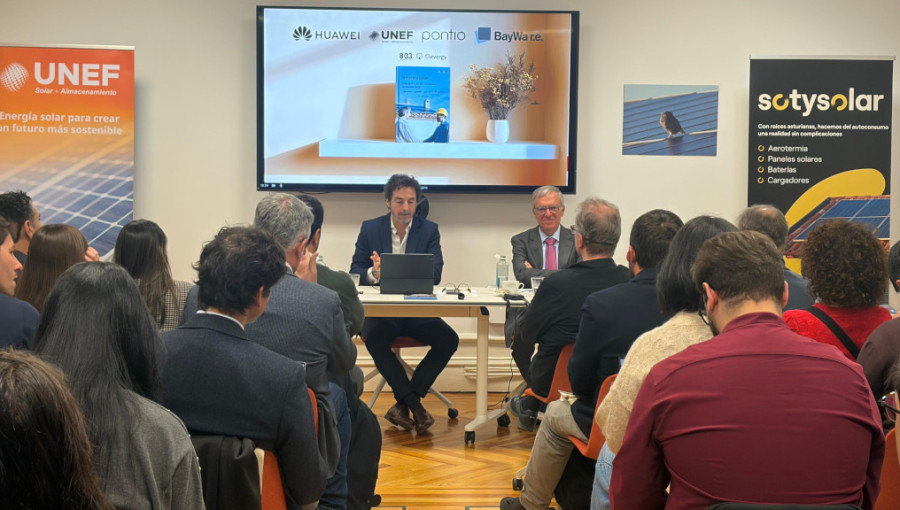
A new report on Spain’s solar sector reveals a fundamental shift in consumer behavior following a significant power outage in early 2025. The “InformeSolar 2025” highlights that while cost reduction remains a primary driver, energy independence and resilience have become critical priorities for households. This evolution is pushing the market toward a more mature phase where solar installations are increasingly integrated with battery storage, heat pumps, and electric vehicles, supported by a transition from government subsidies to private flexible financing models.
The Spanish solar self-consumption market has entered a period of significant consolidation, according to the latest “InformeSolar 2025” published by SotySolar in partnership with the Spanish solar association UNEF and several industry leaders. The report identifies the “Great Blackout” of spring 2025 as a catalyst that transformed solar energy from a niche interest into an essential household utility. Following the widespread disruption on the Iberian Peninsula, millions of residents have pivoted toward solar solutions to guarantee power reliability and autonomy.
While 65% of consumers still cite financial savings as their main motivation—an increase from 60% in 2024—the importance of energy independence and sustainability is rising. Industry experts note that the market has moved beyond a simple cost-benefit analysis. Homeowners are now viewing solar installations as part of a holistic ecosystem that includes battery storage and heat pumps to create fully self-sufficient residences.
Heat pump technology, in particular, is seeing a surge in adoption. Despite being viewed as an unfamiliar or expensive alternative just a year ago, approximately 66% of current solar system owners now plan to integrate a heat pump within the next three years. This trend appears to be driven by a growing awareness of energy efficiency and seasonal climate requirements rather than just fluctuating electricity prices.
The financial landscape of the industry is also undergoing a transformation. As European Next Generation subsidies phase out, the market is successfully transitioning to a structurally profitable model. Awareness of financing options has improved significantly, with up to 70% of households now utilizing flexible payment plans. For larger projects exceeding €10,000, particularly those involving battery storage, the use of digital financing reaches 80%. These models, which often delay the first installment until after the system is commissioned, have significantly lowered the barrier to entry for new users.
Regional data shows that localized support remains effective, with areas like Catalonia seeing a 20.6% increase in interest due to targeted programs. Similar success has been noted in Navarre, Andalusia, and the Basque Country through various decarbonization and efficiency initiatives. Meanwhile, consumer habits are leaning toward stability, with 71% of Spaniards preferring fixed energy tariffs. When selecting an installer, while price remains the leading factor for 45% of respondents, there is a growing demand for comprehensive service packages that include administrative support for funding applications and technical recommendations.