
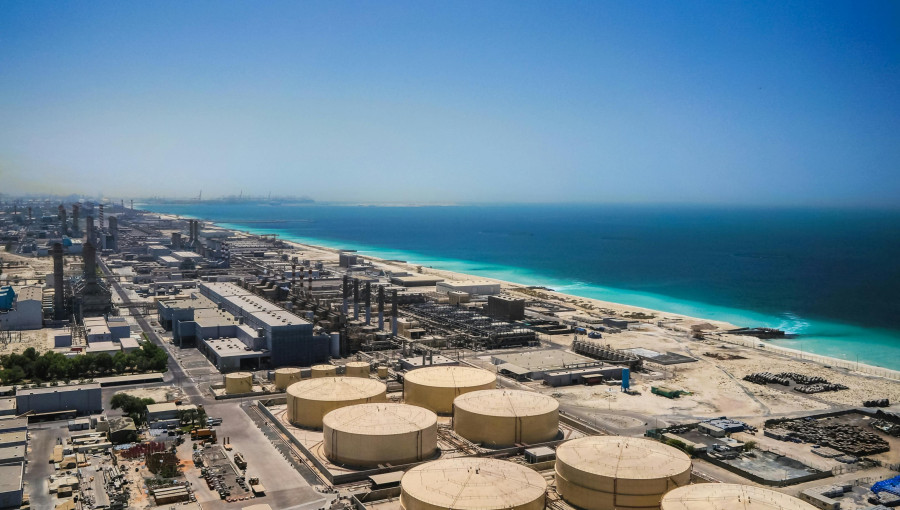
Global water scarcity is driving a massive transition in desalination technology, shifting from traditional thermal processes to electricity-powered systems like reverse osmosis. As population growth and climate change intensify water stress for over three billion people, particularly in the Middle East and North Africa, the “Age of Electricity” is redefining the water-energy nexus. This technological evolution is projected to add 190 TWh to global electricity demand by 2035—an amount equivalent to the annual consumption of 60 million households—while presenting new challenges for infrastructure security and environmental management.
The world currently withdraws approximately 4,000 billion cubic meters of fresh water annually, a volume comparable to the contents of Lake Michigan. Agriculture remains the primary driver of this demand, accounting for 70% of withdrawals and nearly 90% of total consumption. However, as the global population continues to expand, municipal demand is surging, pushing many regions toward “water bankruptcy.” Over the last two decades, the number of people living in high-stress areas has increased by one billion, with the majority residing in emerging markets and developing economies like India and the Middle East.
To combat this crisis, nations are increasingly turning to desalination as a vital supplement to traditional water conservation and harvesting methods. Historically, the Middle East and North Africa (MENA) region dominated the sector using thermal desalination technologies, which rely on natural gas or oil to boil seawater. These systems are notoriously energy-intensive, consuming up to ten times more energy than modern alternatives. In contrast, the industry is now pivoting toward reverse osmosis, an electricity-driven membrane technology that is both more cost-effective and efficient.
This shift toward electrification is most evident in the scale of new projects. Modern mega-plants are now ten times larger than those built 15 years ago, with some capable of producing one million cubic meters of fresh water per day. Such facilities require massive amounts of power, often consuming as much electricity as a city of 200,000 homes. While the MENA region still holds 40% of global desalination capacity, the technology is expanding rapidly into other sectors, including industrial mining in Chile’s Atacama Desert and agricultural irrigation in Europe and Morocco.
The growing reliance on these massive facilities has also introduced significant security risks. Because many regions now depend almost exclusively on desalination for municipal water, these plants have become critical infrastructure targets. Recent geopolitical tensions have highlighted this vulnerability, with strikes on facilities in the Gulf and Iran causing immediate disruptions to local water supplies. While some nations maintain strategic reserves, these typically only last for a few weeks, making the physical and cyber security of desalination hubs a top priority for energy and water planners.
Looking toward 2035, the electrification of the water sector will become a primary driver of global power demand. Morocco aims to source 60% of its drinking water from desalination by the end of the decade, while Jordan is developing projects to supply 40% of its population. As the global electrification rate for desalination jumps from 28% to 50%, the integration of renewable energy sources and the management of environmental byproducts, such as concentrated brine, will be essential to ensuring a sustainable and resilient water future.
https://www.iea.org/commentaries/wired-for-water-how-electrification-is-transforming-desalination