
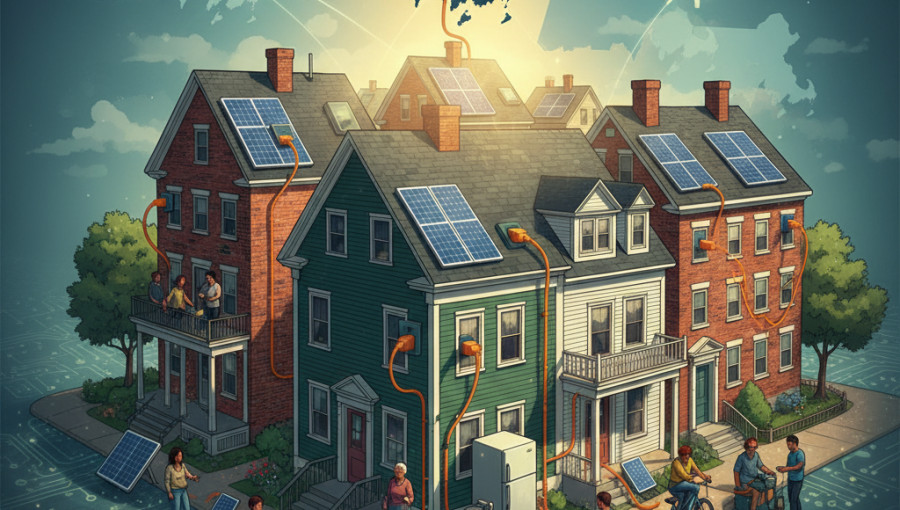
Lawmakers across all six New England states are advancing legislation to authorize the use of plug-in solar panel kits, offering residents a simplified way to reduce electricity costs. These small-scale systems, often called balcony solar, allow homeowners and renters to generate power by plugging portable units directly into standard home outlets. With Maine nearing final approval and several other states moving forward with similar measures, supporters believe this technology will democratize renewable energy access while providing relief from the region’s high utility rates and volatile energy markets.
The legislative push reflects a growing bipartisan interest in decentralized energy. In Maine, the proposed regulations are nearing a final desk for gubernatorial signature, while similar measures in Vermont and New Hampshire have already cleared their respective legislative chambers. Massachusetts and Connecticut have integrated plug-in solar provisions into broader energy and solar bills, and Rhode Island is currently reviewing the technology through committee study. Proponents argue that the momentum is driven by a unique combination of utility interest and a desire to provide consumers with immediate financial relief.
New England’s interest follows a broader national trend. Utah became the first state to authorize plug-in technology in early 2025, followed by Virginia. Currently, more than 20 states, including traditionally conservative regions like Idaho and Oklahoma, are considering similar laws. The primary driver is the rising cost of electricity, exacerbated by global fuel price volatility. Because these bills carry no fiscal cost to the state, they have become an attractive tool for legislators looking to empower constituents without increasing public spending.
Commonly referred to as balcony solar, these systems have already seen widespread adoption in Europe, particularly in Germany. Unlike traditional rooftop solar panel installations that require professional electricians and complex utility agreements, these kits are designed for DIY setup. They can be placed in any sunny location, such as a backyard or an apartment balcony, and typically generate enough electricity to power a major appliance like a refrigerator. By plugging directly into an exterior outlet, the system feeds energy into the home’s internal wiring rather than drawing it out.
Accessibility is a major factor in the technology’s appeal. Current costs average approximately $3 per watt, a figure expected to drop significantly as the market scales. Because the systems are portable and do not require permanent structural changes, they offer a viable renewable energy option for renters who were previously excluded from the solar market. The proposed New England regulations generally allow for systems up to 1,200 watts to be installed without the need for formal interconnection agreements with utility companies.
Beyond the practical benefits, the new legislation aims to provide a clear regulatory framework for a technology that previously existed in a legal gray area. By requiring equipment to meet national safety standards, such as those established by UL Solutions, the bills ensure consumer protection. Advocates emphasize that official state recognition serves as a vital signal to the public that plug-in solar is a legitimate and safe investment for reducing energy dependence.