
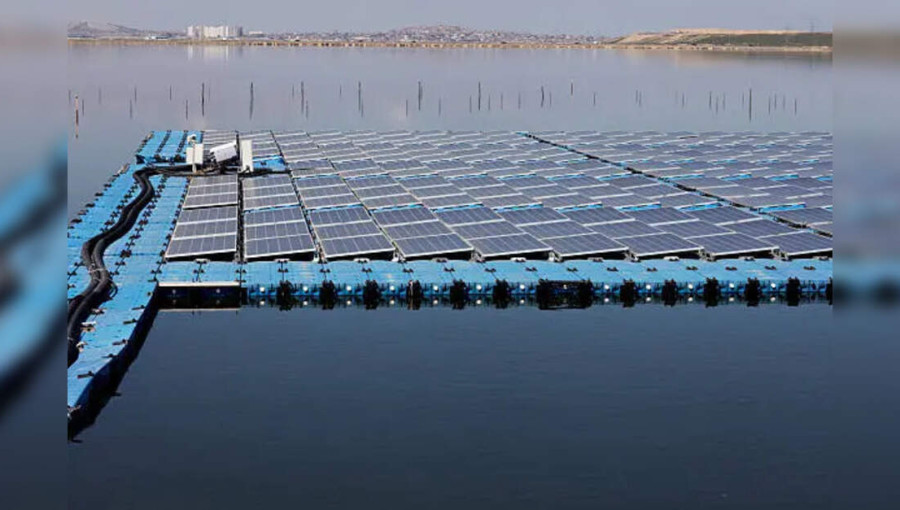
The Delhi government has initiated a pioneering pilot project to install a floating solar plant in the Bawana area, marking a significant step toward enhancing the city’s renewable energy capacity. By utilizing water bodies for solar power generation, the project aims to optimize land use while simultaneously reducing water evaporation. This initiative aligns with Delhi’s broader strategy to transition toward sustainable energy sources and decrease its carbon footprint, potentially setting a functional precedent for future large-scale floating solar installations across the capital’s various reservoirs.
In a strategic move to diversify its green energy portfolio, authorities in Delhi have greenlit the pilot floating solar plant located in Bawana. This innovative project involves mounting solar panels on specialized floating structures placed atop water bodies, a method that offers several environmental and operational advantages over traditional land-based solar farms.
The primary objective of the Bawana project is to test the feasibility and efficiency of floating solar technology within the region’s specific climatic conditions. One of the key benefits of this approach is the natural cooling effect provided by the water, which can enhance the performance and longevity of the solar modules. Furthermore, the installation helps conserve local water resources by providing shade, which significantly reduces evaporation rates from the reservoir.
This pilot program is part of a larger effort to meet Delhi’s growing electricity demand through sustainable and innovative means. By successfully deploying these solar cells on water surfaces, the city can bypass the significant challenges associated with land acquisition and space constraints in densely populated urban environments. If the pilot proves successful, officials plan to scale up the technology to other reservoirs and water treatment plants throughout the National Capital Territory.
Beyond immediate energy production, the project is expected to contribute to a notable reduction in annual CO2 emissions. As Delhi continues to address air quality and energy security, transitioning to clean energy sources remains a top priority for local policymakers. The Bawana installation serves as a critical test case for the integration of modern renewable solutions into the city’s existing utility infrastructure.