
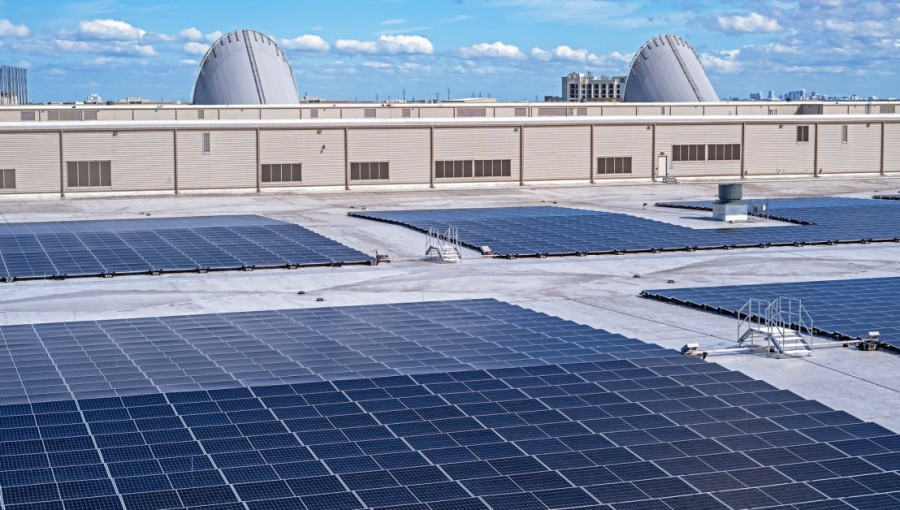
The Orange County Convention Center (OCCC) in Orlando, Florida, has successfully doubled its solar energy capacity through a strategic rooftop upgrade that utilizes its existing footprint. By replacing aging equipment with high-efficiency SolarEdge technology and Hanwha Q CELLS modules, the 2.2-megawatt project enhances power generation for the massive venue without requiring additional space. Beyond technical improvements, the project emphasized sustainability by donating 5,800 decommissioned solar panels to local residents and nonprofits. This initiative demonstrates how large-scale public facilities can modernize their clean energy infrastructure while minimizing electronic waste and maintaining full operational capacity.
The project marks a significant milestone for one of North America’s largest convention centers, which serves as a massive energy consumer hosting approximately 2.4 million visitors annually. By integrating SolarEdge inverters paired with power optimizers, the facility can now generate significantly more electricity from the same roof area previously occupied by older technology. This “repowering” approach allows the OCCC to maximize its renewable energy output as it continues to support a regional economic impact of nearly $5 billion.
Engineering the installation required specialized solutions to navigate the facility’s vast architecture. The array covers multiple roof zones and utilizes a custom-designed combiner box to manage electricity transmission across a rooftop span of approximately 213 to 244 meters. To ensure long-term efficiency and simplified maintenance, the system includes a real-time monitoring platform that tracks the performance of every solar module in the array.
The upgrade was executed with careful logistical planning to avoid disrupting the center’s busy events calendar. Advanced Roofing coordinated the solar rebuild alongside a LEED Gold-certified renovation of the South Building. This integration ensures the new energy system aligns with the OCCC’s broader sustainability goals, providing a scalable model for how public venues can transition to cleaner power sources without halting daily operations.
A standout feature of the project was the commitment to a circular economy. Rather than sending the original equipment to a landfill, the OCCC partnered with the nonprofit IDEAS For Us to launch the “Great Solar Giveaway.” This program redistributed 5,800 functional, decommissioned solar panels to more than 120 local residents, businesses, and organizations. This move prevented thousands of kilograms of electronic waste while expanding solar access throughout Florida.
As early commercial solar installations reach the end of their primary lifecycles, the OCCC project highlights a growing trend in the industry. Upgrading to modern, high-efficiency solar cells and modules allows property owners to squeeze more energy out of limited space. For energy-intensive buildings with large roof surfaces, the economic benefits of doubling power output without expanding the physical footprint are becoming increasingly undeniable.