
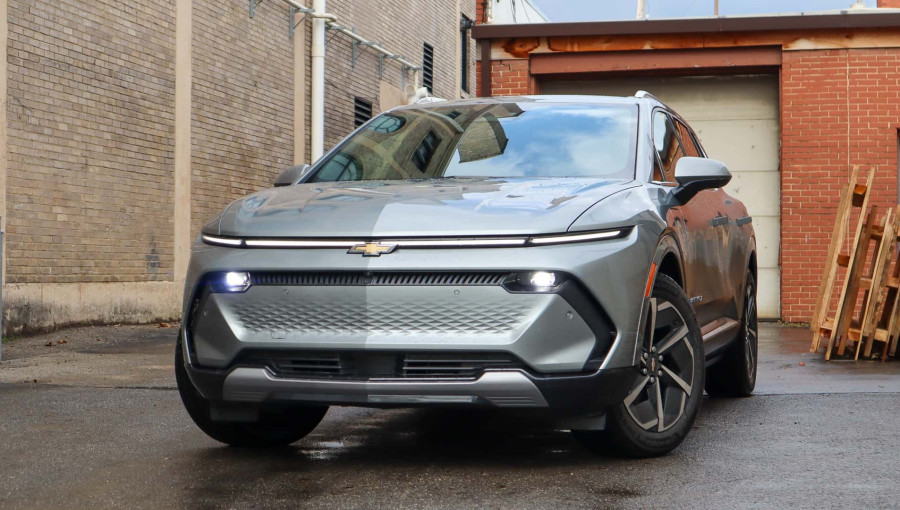
A recent study by AAA reveals that while electric vehicles (EVs) suffer significant range loss in extreme cold, they remain more cost-effective to operate than hybrid vehicles, provided they are charged at home. Testing six popular models at temperatures ranging from -6.6°C to 35°C, researchers found that EVs lost nearly 40% of their range in freezing conditions, while hybrids saw a 23% drop in fuel economy. Despite these efficiency hits, the lower cost of residential electricity keeps EVs ahead in overall savings, though public charging can quickly reverse this advantage.
The impact of temperature on automotive performance has long been a point of concern for drivers considering the switch to electric mobility. To quantify these effects, AAA conducted a series of tests comparing three fully electric models—the 2025 Chevrolet Equinox EV, 2025 Tesla Model Y, and 2025 Ford Mustang Mach-E—against three hybrids: the 2025 Toyota Prius, 2026 Honda CR-V, and 2025 Hyundai Tucson. The vehicles used in the study were not brand new, with odometer readings ranging from 5,988 kilometers to 21,398 kilometers to reflect real-world usage.
Using a dynamometer to maintain consistency, researchers established baseline performance figures at a temperate 22°C with the cabin air conditioning active. When the ambient temperature was dropped to -6.6°C, the electric vehicles saw an average efficiency decrease of 35.6%, which translated to a total driving range loss of 39%. The Tesla Model Y exhibited the most significant performance gap during the cold-weather testing. While hybrids fared better in the cold, they were not immune to the climate, recording a 22.8% reduction in fuel economy.
In hot weather conditions of 35°C, the efficiency losses were less dramatic but still present. EVs recorded a 10.4% drop in efficiency and an 8.5% loss in driving range compared to the baseline. Interestingly, hybrids saw a slightly higher efficiency decline of 12% in the heat. These findings indicate that regardless of the powertrain, extreme temperatures necessitate more frequent stops to refuel or recharge.
Despite the significant range loss in freezing temperatures, the study highlights that EVs remain cheaper to operate than hybrids, provided the owner has access to residential charging. To cover a distance of 1,609 kilometers in -6.6°C weather, the average EV costs approximately $87.75 in electricity. This is roughly 29% less than the $123.95 required to fuel a hybrid for the same distance. However, this financial advantage disappears when using public infrastructure; the study found that relying exclusively on DC fast chargers makes EVs more expensive to run than hybrids across all temperature ranges.
Greg Brannon, AAA’s director of automotive engineering and research, noted that while the EV range loss was expected, the 23% drop in hybrid fuel economy was a surprising discovery. He emphasized that consumers should evaluate their local climate, energy costs, and daily driving patterns when choosing a vehicle. While modern EVs offer lower lifetime CO2 emissions and reduced operating costs for those with home charging, hybrids remain a competitive alternative for drivers without reliable access to low-cost electricity.