
The Spanish Parliament has officially ratified a comprehensive €5 billion energy package designed to accelerate the nation’s energy transition and bolster energy security. Royal Decree-Law 7/2026 introduces 80 specific measures aimed at expanding self-consumption, simplifying storage regulations, and fostering energy communities. Key highlights include extending the permissible distance for collective solar projects to 5 kilometers and offering significant tax incentives for renewable installations. This legislative move is viewed as a strategic response to global market volatility, positioning solar energy and storage as essential pillars of Spain’s industrial and security policy.
The ratification of Royal Decree-Law 7/2026 marks a significant milestone in Spain’s strategy to decarbonize its economy and reduce reliance on volatile international energy markets. Initially introduced as a response to geopolitical tensions in the Middle East, the decree formalizes a massive investment plan that strengthens the role of electrification. By prioritizing renewable energy, the government aims to secure the country’s industrial future while providing citizens with more affordable and reliable power through local generation.
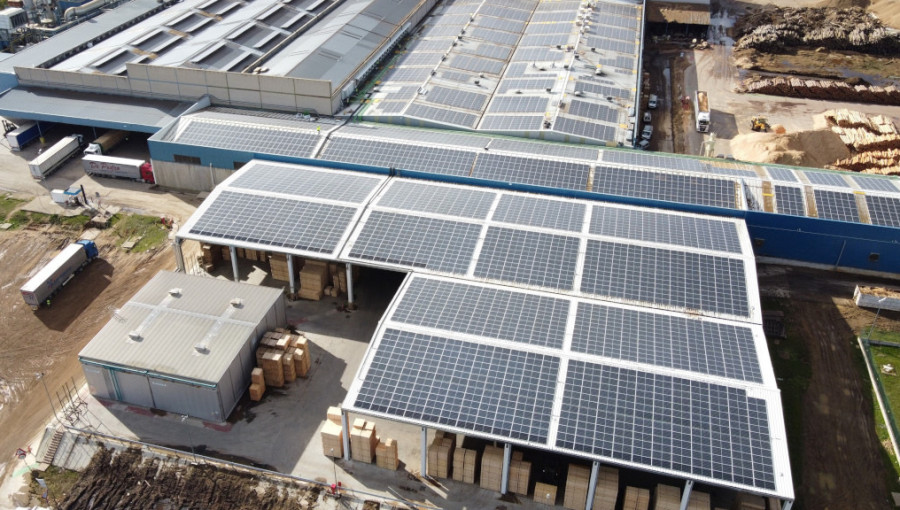
One of the most transformative changes in the new legislation is the dramatic expansion of collective self-consumption limits. The permissible distance between production points and consumers has been increased from 500 meters to 5 kilometers, effectively removing a major barrier for urban and industrial solar projects. Additionally, the decree streamlines the deployment of battery storage by introducing more flexible guarantee requirements and aligning tenders to better match supply and demand. Industry leaders, including the Spanish solar association Unión Española Fotovoltaica (Unef), have praised the move, noting that self-consumption with storage serves as a vital insurance policy for both residents and businesses.
To further encourage private investment, the government is introducing income tax deductions for self-consumption systems. In 2026, investors can expect to deduct between 10% and 20% of their expenditure. The legislation also empowers local municipalities to act as key drivers of energy communities, with a dedicated regulatory framework expected to be established within the next three months. This shift is designed to decentralize energy production and give local authorities a more active role in the green transition.
The decree also addresses administrative bottlenecks that have historically slowed down renewable projects. A new “preferred energy projects” category will expedite approval processes for high-value initiatives. Furthermore, the “milestone system” for project development has been simplified; deadlines will now be automatically suspended during legal or administrative disputes to prevent projects from being unfairly terminated due to bureaucratic delays. These reforms are intended to provide the legal certainty required to maintain steady investment in the Spanish solar sector.
Beyond solar energy, the package promotes broader electrification through the Auto+ program for electromobility and incentives for heat pump adoption and energy-efficient building renovations. However, the industry continues to lobby for the complete removal of the tax on the value of electricity production (IVPEE). While the decree suspends this tax for the second quarter of 2026 and reduces it in the first quarter, advocates argue that a permanent abolition is necessary to create a stable tax environment that does not penalize storage or increase the long-term cost of electricity.