
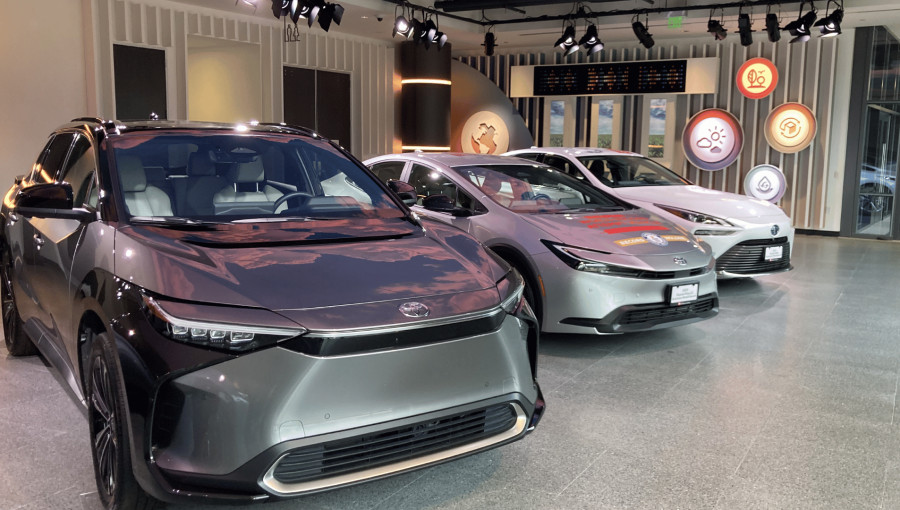
Modern electric vehicles have evolved significantly from their early iterations, shedding the limitations that once deterred potential buyers. In a recent discussion with Toyota’s Cody Emmert, the focus shifted to debunking outdated myths regarding range, performance, and cost. Today’s electric models offer instant torque and competitive pricing, aligning closely with traditional internal combustion engine vehicles. As battery technology improves and charging infrastructure becomes more integrated into daily life, the transition to electric mobility is becoming a matter of lifestyle preference rather than a compromise in utility or luxury.
One of the most persistent misconceptions about electric vehicles is that they lack the power and excitement of traditional engines. However, the latest generation of electric motors provides substantial torque immediately upon acceleration. Without a conventional transmission to cycle through gears, power delivery is seamless and quiet. These “sleeper vehicles” may look like standard SUVs or sedans, but their ability to accelerate rapidly makes them surprisingly agile on the road, offering a driving experience that many enthusiasts find superior to gas-powered alternatives.
The fear of being stranded—often called range anxiety—is becoming a relic of the past. While early models struggled to exceed 160 kilometers on a single charge, modern battery technology has dramatically increased efficiency and capacity. For the majority of drivers, the shift to electric requires only a minor change in habits. Instead of visiting a gas station, owners can charge their vehicles at home overnight, ensuring they begin each day with a full charge. This makes the daily commute in an electric vehicle functionally identical to that of a gas-powered car.
Historically, the “green premium” meant that eco-friendly cars carried a much higher price tag. That gap has largely closed, with electric models now priced competitively against their gas counterparts in the same categories. Inside, the design philosophy has also shifted toward familiarity. The upcoming all-electric 2027 Highlander, for instance, avoids a “spaceship” aesthetic in favor of a well-appointed luxury cabin. It features high-end materials, large touchscreens, and wireless charging, providing a comfortable environment that feels like a premium upgrade rather than a radical departure from tradition.
Toyota continues to champion a “multi-pathway” strategy, acknowledging that while electric vehicles are ideal for many, they are not yet a universal solution. By offering a diverse lineup of electric, hybrid, and gas-powered options, the manufacturer aims to provide a vehicle that aligns with the specific needs and infrastructure available to each driver. This approach ensures that the transition toward lower CO2 emissions remains accessible to a broad spectrum of consumers across different regions.
