
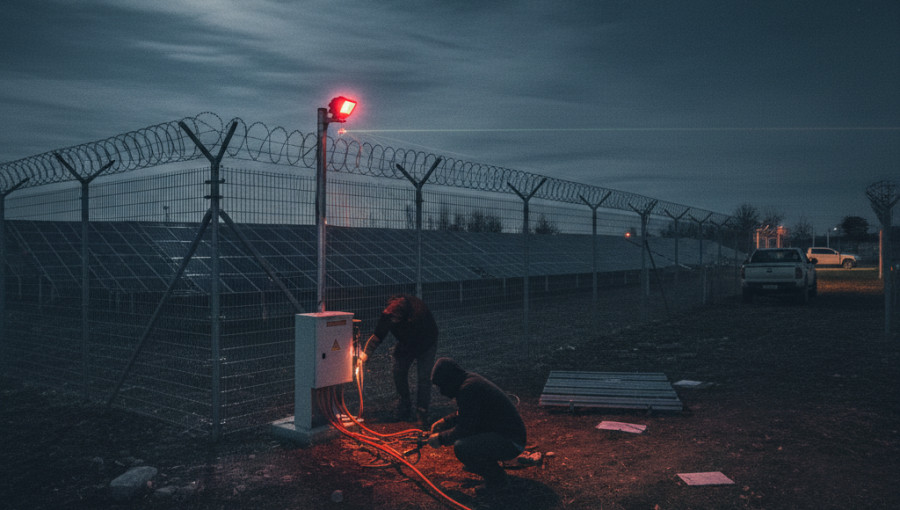
The Chilean Solar Energy Association (ACESOL) has reported a significant surge in criminal activity targeting photovoltaic installations, particularly in the central and southern regions of the country. A recent survey reveals that small and medium-scale distributed generation (PMGD) plants are the primary targets, with nighttime thefts focusing on high-value components like cables and solar modules. As incidents become more sophisticated and occasionally violent, the industry is calling for urgent intervention and enhanced security measures to protect critical renewable energy infrastructure and ensure the safety of site personnel.
The solar energy sector in Chile is facing a growing security crisis as criminal organizations increasingly target photovoltaic projects. According to a report by ACESOL, there has been a notable shift in criminal activity corresponding with the industry’s expansion from the northern desert regions toward the central-southern zones. The most affected areas include O’Higgins, Coquimbo, Maule, and the Metropolitan Region, where small and medium-scale distributed generation (PMGD) plants have become frequent targets.
Data from a survey conducted among association members in August 2025 indicates that the problem is both persistent and calculated. Approximately 35% of the companies surveyed reported experiencing multiple thefts within a single month, with nearly 80% of these incidents occurring during the early morning hours. This pattern suggests that the perpetrators are conducting planned operations under the cover of darkness to avoid detection.
The report highlights that PMGD installations are particularly vulnerable, accounting for 78.6% of all reported thefts. These facilities often lack the robust, multi-layered security protocols found at large-scale utility plants and are frequently located in remote areas. While cables and conductors remain the primary targets due to the high resale value of copper, thieves are also frequently taking solar modules and inverters.
Darío Morales, the executive director of ACESOL, expressed concern over the technical proficiency displayed by the criminals. He noted that the theft of energized equipment suggests a level of specialization rather than random opportunistic crime. Furthermore, the nature of these incidents is escalating; while most cases involve property loss, there are increasing reports of site personnel facing intimidation, threats, and even physical violence involving weapons.
In response to the rising threat, solar companies are significantly increasing their investments in site protection. Current strategies include the deployment of private security personnel, the installation of reinforced perimeter fencing, and the use of advanced surveillance cameras. Many operators are also integrating remote monitoring systems, motion sensors, and improved lighting to deter intruders. ACESOL has emphasized that decisive action from law enforcement and the judicial system is now essential to prevent these criminal trends from undermining the country’s renewable energy goals.
