
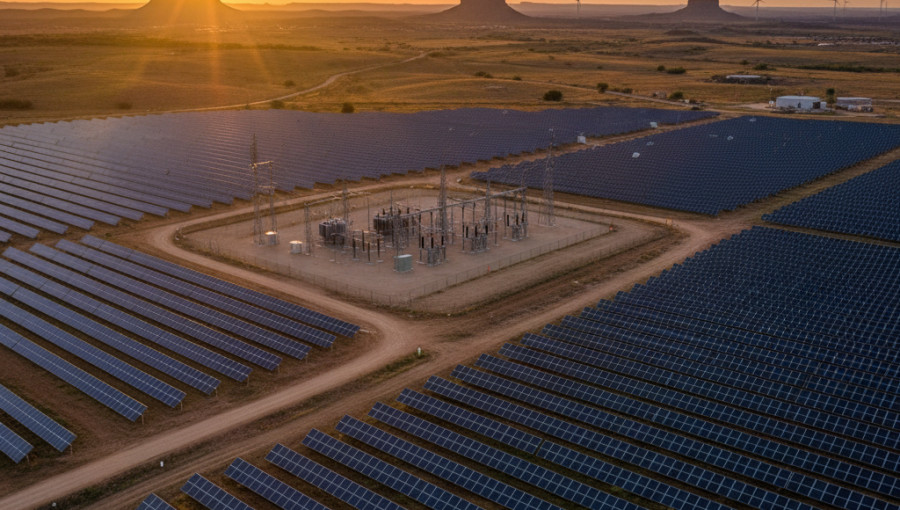
For the first time in history, solar energy is projected to generate more electricity than coal within the power market overseen by the Electric Reliability Council of Texas (ERCOT). While coal production continues to decline with no new plants under construction, the state is experiencing a massive surge in solar development. Federal projections indicate that solar will provide 78 billion kilowatt-hours of electricity in 2026, significantly outpacing the 60 billion expected from coal. This shift marks a major milestone in the state’s energy transition, highlighting the rapid expansion of renewable capacity despite broader national political debates regarding energy policy.
The transition is occurring at a faster pace in Texas than across the rest of the United States, where wind and solar combined only recently surpassed coal generation in 2024. Although federal officials have prioritized coal and gas to promote energy dominance, the sheer scale of the Texas solar fleet has rendered coal increasingly obsolete in the regional market. Even with arguments regarding the round-the-clock reliability of coal, the state’s coal plants are unable to match the total output of the growing solar sector, which is supported by a diverse energy mix including nuclear, wind, and battery storage.
Texas’s success in integrating renewables stems from its unique market structure, which prioritizes free-market competition over centralized utility planning. By avoiding heavy-handed federal regulation and fostering an environment conducive to rapid development, the state has built a robust portfolio of solar and storage capacity. This infrastructure is proving essential for managing heat waves and stabilizing energy prices. As the state continues to scale its solar output, projections suggest that production will climb to 99 billion kilowatt-hours by 2027, further distancing solar from coal and demonstrating the effectiveness of market-driven clean energy adoption.