
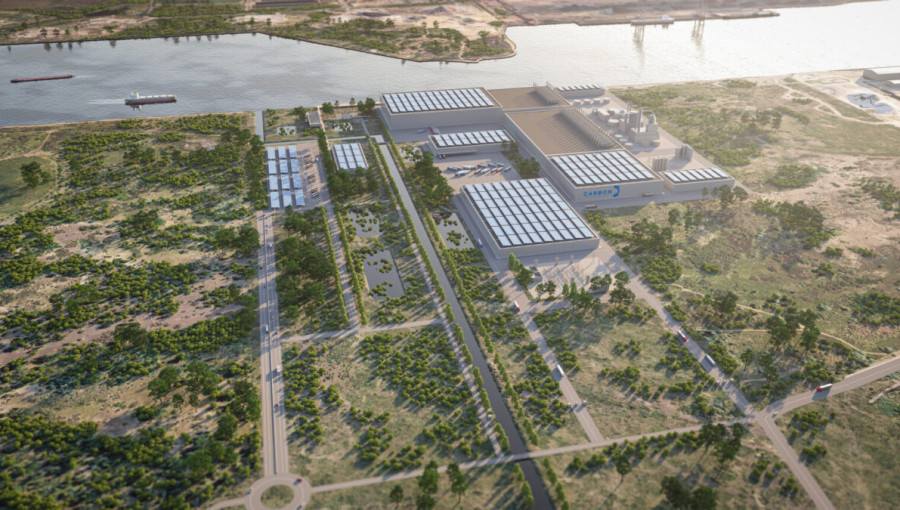
The French startup Carbon has officially canceled its ambitious gigafactory project in Fos-sur-Mer, which aimed to establish a 5 GW integrated solar manufacturing chain. Despite being designated a Project of Major National Interest, the €1.5 billion initiative collapsed due to a lack of regulatory clarity and insufficient investor guarantees. The founders cited the absence of a protected European market and the limitations of the Net-Zero Industry Act as primary reasons for the failure. Attempts to pivot toward smaller-scale operations or partnerships with international manufacturers like Longi were ultimately unable to secure the necessary financial backing.
The project was intended to play a pivotal role in reshoring the photovoltaic value chain to France, covering everything from solar cell production to the assembly of finished solar modules. Achieving competitive pricing required a massive industrial scale, which the developers argued was impossible without strong support from European member states to absorb initial start-up costs. The founders expressed frustration that recent legislative efforts, such as the Net-Zero Industry Act, failed to provide the preferential treatment for European-made products that they deemed essential for the project’s long-term viability.
Furthermore, the developers pointed to the Industry Acceleration Act of March 2026 as a source of further uncertainty. By expanding the definition of “Made in Europe” to include nations with free trade agreements—such as India, Vietnam, and Turkey—and delaying the implementation of European preference mechanisms until 2030, the regulatory environment became too unpredictable for investors. Without a clear timeline or defined rules for market protection, the founders concluded that the project could no longer proceed, marking a significant setback for France’s industrial solar ambitions.