
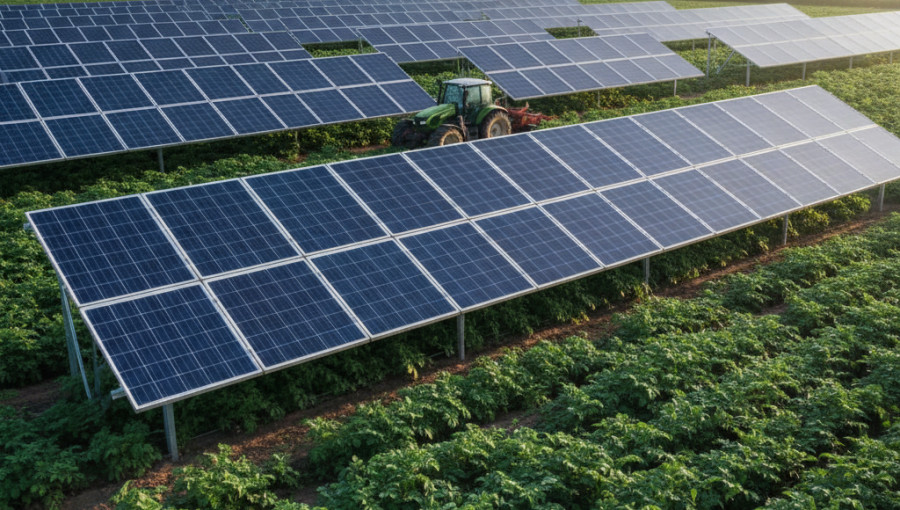
Lawmakers in Michigan and Pennsylvania are promoting unfounded claims that Frito-Lay refuses to purchase potatoes grown on land previously used for solar installations. Despite these assertions, PepsiCo, the parent company of Frito-Lay, confirmed it has issued no such policy. Experts in agriculture and engineering state there is no scientific evidence that solar panels contaminate soil or negatively impact tuber crops. Instead, research into agrivoltaics suggests that solar arrays can provide shade and moisture retention, potentially benefiting crops. This misinformation, however, continues to fuel local opposition to renewable energy projects across the United States.
The false narrative originated from concerns raised by the Potato Growers of Michigan, which speculated that debris left behind after decommissioning solar modules could contaminate soil and harm root vegetables. While industry representatives have repeated these fears at legislative hearings, they have admitted that no such food safety issues have actually occurred, as no solar farms have been decommissioned on potato-growing land yet. State officials in Michigan have also confirmed they are unaware of any corporate directives banning potatoes from former solar sites, contradicting the claims spread by state representatives and senators.
This misinformation campaign is complicating the transition to renewable energy by discouraging farmers from leasing land for solar development. For many, these leases provide a vital, stable income stream in a volatile agricultural market. While the American Farmland Trust estimates that solar projects could occupy 7 million acres of farmland by 2040—less than 1 percent of total U.S. agricultural land—opponents continue to frame these projects as a threat to food production. Experts warn that spreading these unsubstantiated rumors not only hinders climate goals but also threatens the financial stability of farmers who could otherwise benefit from integrating solar energy into their operations.