
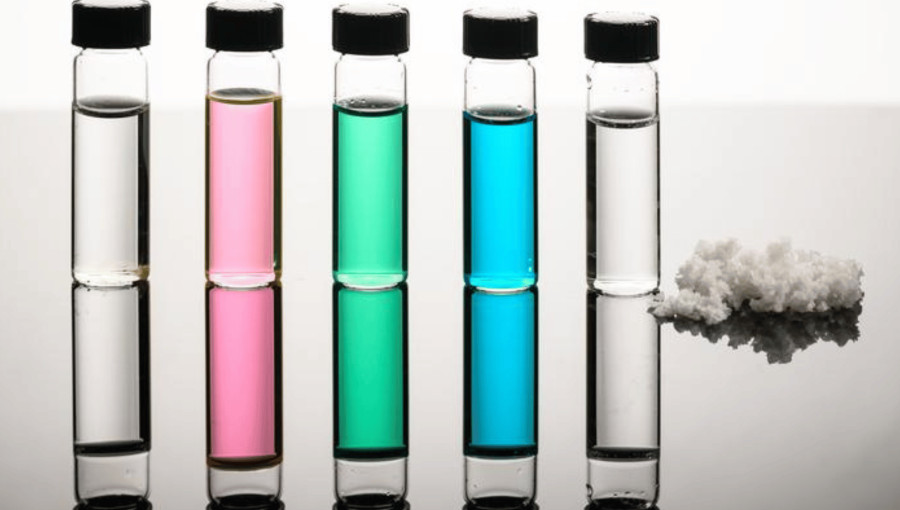
Researchers at the University of Rochester have developed a groundbreaking solar-thermal desalination process that produces clean drinking water without the use of chemicals or the creation of harmful brine. By utilizing lasers to etch specialized patterns into black metal solar panels, the team created a surface that is both highly absorbent and capable of wicking water into thin layers for efficient evaporation. This innovative system effectively separates salt from water, leaving behind solid minerals instead of toxic liquid waste, while simultaneously offering a sustainable method for extracting valuable resources like lithium from saltwater sources.
Current desalination techniques, such as reverse osmosis, are often energy-intensive and produce brine that can damage marine ecosystems by reducing oxygen levels. The new method avoids these pitfalls by using the physics of evaporation to push salts toward the edges of the panel, preventing clogging and ensuring the system remains self-cleaning. Because the process extracts salt in a solid form, it creates opportunities to recover useful materials, including standard table salt and rare minerals, rather than generating environmental waste.
The research team, led by professor Chunlei Guo, successfully tested the technology using water samples from the Atlantic, Pacific, and Indian oceans. By incorporating hydrogen titanate nanoparticles into the metal grooves, the researchers were also able to isolate lithium from saltwater. In tests using water from the Great Salt Lake, the system successfully recovered approximately 50 percent of the lithium present. This approach could provide a more environmentally friendly alternative to traditional mining, which is often energy-intensive and ecologically taxing. While the technology is currently in its early stages, it holds significant potential for scaling up to address global water scarcity and improve mineral supply chains.