
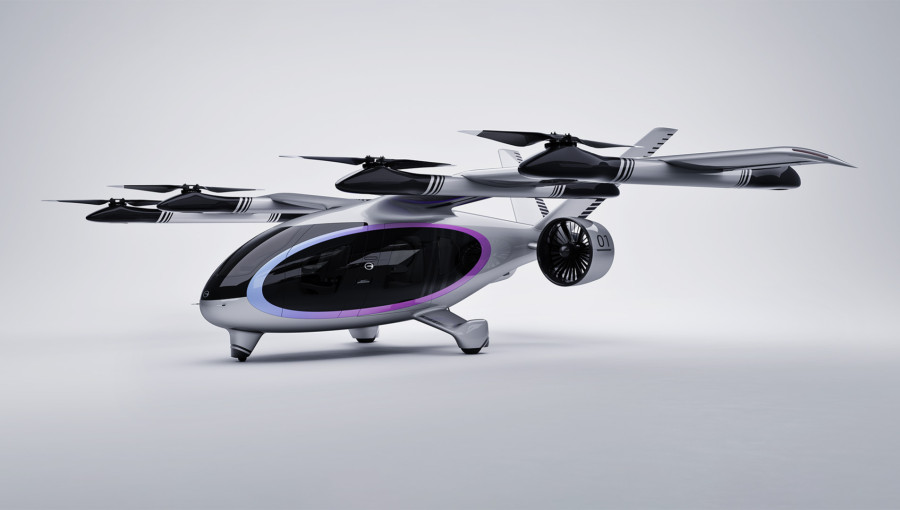
The flying car industry is increasingly identifying solid-state batteries as the critical technology required to achieve commercial viability. As developers transition from prototypes to production, these batteries are viewed as the key to providing the necessary energy density and safety standards for aerial mobility. While investors now prioritize tangible milestones like airworthiness certification and production readiness over mere performance metrics, experts believe the sector could scale rapidly once a sustainable ecosystem is established by 2030. With companies like GAC Govy moving toward formal certification, the focus remains on leveraging advanced battery technology to overcome the unique challenges of aviation.
GAC Govy, a firm incubated by GAC, is currently navigating the path toward large-scale commercial operations. The company’s Govy AirCab entered production in May 2026, with the manufacturer aiming to secure Type Certification by the end of that year and Production Certification in early 2027. This progress reflects a broader industry trend where aviation mobility is compared to the early growth stages of the electric vehicle market, though with a more complex regulatory and manufacturing landscape.
Solid-state batteries are central to this evolution, offering the high energy density required for extended flight ranges. Unlike the automotive sector, where the primary goal is cost reduction for high-volume sales, the aviation industry can accommodate higher initial battery costs due to the inherently expensive nature of aircraft manufacturing. This flexibility allows for the early adoption of advanced power solutions in limited production runs. As the technology matures and automotive adoption drives down costs, the economic feasibility of flying cars is expected to improve, facilitating broader integration into transportation networks.
Despite this potential, the sector faces a more measured path to mass production than the automotive industry. The stringent requirements for design iterations, safety validation, and airworthiness certification mean that the rollout of commercial flying cars will likely be a gradual process. By focusing on these technical and regulatory hurdles, the industry aims to build a stable foundation for the future of low-altitude mobility.