
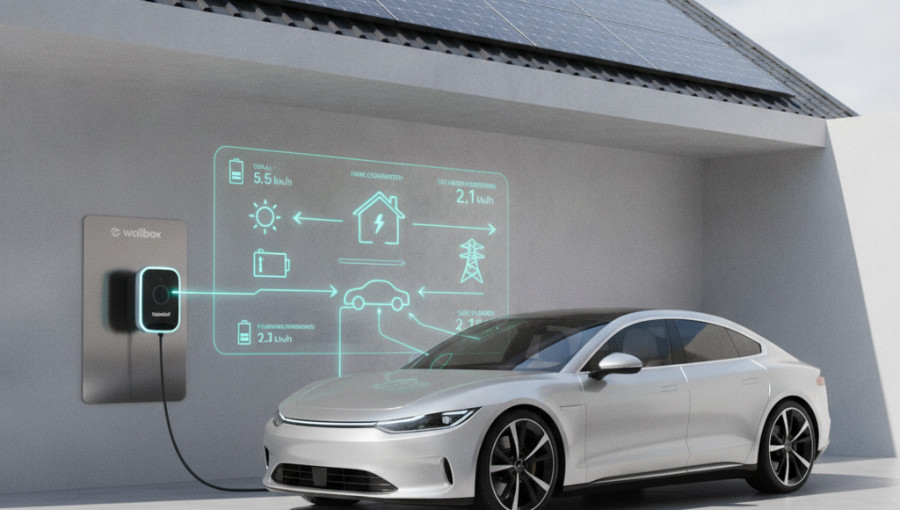
A pilot program in California is testing bidirectional charging technology to transform electric vehicles into mobile power sources for homes and the electrical grid. Led by Bidirectional Energy and Wallbox, the initiative involves installing 120 specialized chargers that allow EVs to both draw power and discharge it back into a residence or the utility network. By establishing standardized permitting and interconnection processes, the project aims to move vehicle-to-grid and vehicle-to-home applications out of experimental phases and into mainstream use, potentially offering homeowners significant utility bill savings while providing the grid with essential, flexible energy storage capacity.
The technology utilizes the Wallbox Quasar 2 charger, which functions similarly to a solar or battery inverter. When integrated with Bidirectional Energy’s software, the system allows a vehicle like the Kia EV9 to act as a large-scale battery. During peak demand or grid stress, the car can discharge energy to support the system, or provide backup power during an outage. Because most vehicles remain parked for the majority of the day, this untapped battery capacity could provide a substantial resource for grid stability, far exceeding the benefits of simple managed charging programs that only throttle energy intake.
A primary hurdle for widespread adoption has been the lack of uniform regulatory and utility standards. Currently, the interconnection process can take months, discouraging many potential users. By conducting a larger-scale pilot, the companies are working directly with utility engineers to refine the permitting process and ensure that safety and performance standards are met. The goal is to reach a point where installing a bidirectional charger is as routine as installing a standard home battery or solar array, ultimately allowing millions of EVs to serve as a decentralized, reliable component of the modern electrical grid.