
Panasonic is committing JPY 350 billion, approximately $2 billion, to significantly bolster its battery manufacturing capabilities, specifically targeting the surging energy demands of AI-driven data centers. Unveiled during an Investors Day event in Tokyo, the strategy focuses on strengthening supply chains in North America and Japan. The company aims to triple its energy storage revenue for data centers to nearly JPY 1 trillion by fiscal year 2029. This strategic pivot follows the company’s recent decision to exit the residential solar and energy storage market in the United States to prioritize high-growth industrial power applications.
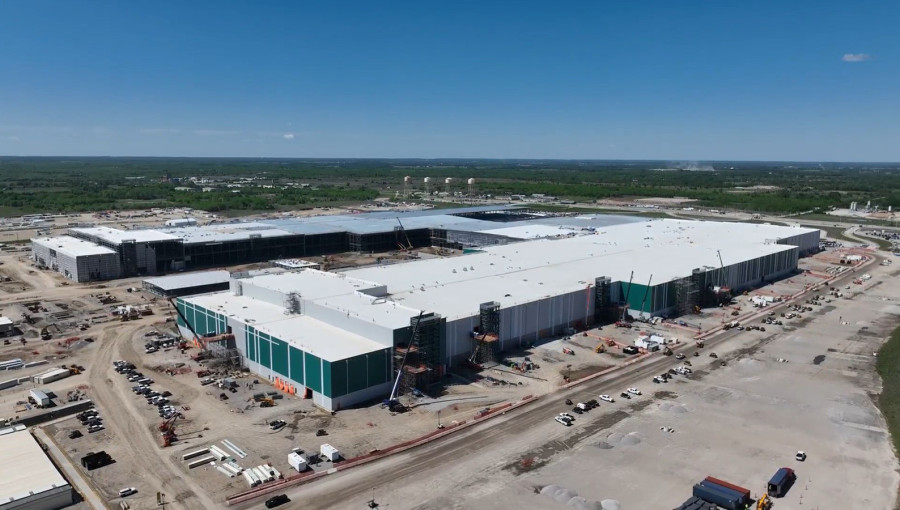
The expansion roadmap includes establishing a dedicated production line for data center applications at the company’s Kansas battery cell facility. Additionally, Panasonic plans to finalize two new battery module manufacturing sites in Mexico and triple its domestic battery cell production in Japan by 2029. This domestic growth involves repurposing an existing vehicle line in Osaka to manufacture lithium-ion batteries and supercapacitors. These efforts are designed to provide essential backup and peak shaving capabilities, addressing the high-voltage requirements of modern data center infrastructure and ensuring stability during rapid load fluctuations.
To meet the technical demands of the AI sector, Panasonic is developing a suite of new products, including high-capacity capacitor backup units and battery backup systems tailored for high-voltage direct current architectures. The company is also advancing its high-power lithium-ion battery cell technology. While Panasonic is withdrawing from the residential solar sector, it remains committed to supporting existing installations and continues to innovate within the grid-scale battery energy storage system market. These initiatives are part of a broader financial goal to achieve an above 20% return on investment capital for its energy solutions division.