
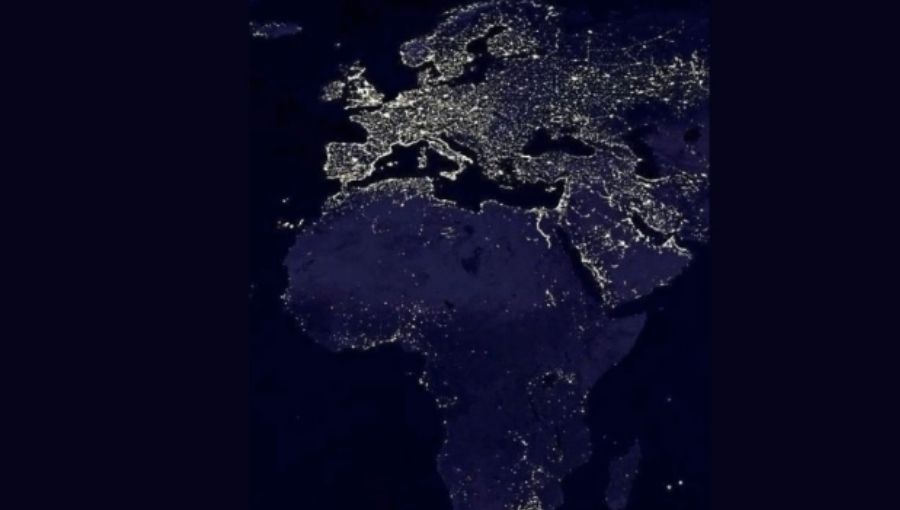
Africa is one of the regions with the best solar energy resources in the world, yet it faces serious challenges in the energy sector. The continent is home not only to huge renewable energy potential, but also to significant oil and gas production. Moreover, it is one of the largest suppliers of minerals such as cobalt and copper, which play a critical role in the clean energy transition. But despite this huge energy potential, investment in clean energy in Africa remains very low. One of the biggest reasons is that the cost of capital for energy projects on the continent is almost three times higher than in developed economies. These financial barriers make it difficult for energy projects to materialize, leaving Africa with only a 3% share of global energy investments.
The lack of energy investments directly affects overall energy consumption in Africa. Despite being home to around 20% of the global population, the continent is responsible for only 4% of global emissions. This is mainly because energy use per capita is among the lowest in the world. Access to electricity is also a serious problem. Today, more than 600 million people still do not have access to electricity. However, there have been some positive developments in recent years. In 2015, the rate of access to electricity was 50% and today it has risen to 60%.
One of Africa’s biggest energy paradoxes is its solar potential. Despite the continent’s enormous solar radiation, it still has less installed solar capacity than the Netherlands. This clearly shows that the continent is failing to seize the huge opportunities in the energy sector. Clean cooking methods remain a major challenge, as does access to electricity. The majority of people living in sub-Saharan Africa still cook over open fires or primitive stoves. The harmful fumes from this are a leading cause of premature death, especially for women and children.
Africa is a continent with huge opportunities in energy, given its potential. However, due to lack of investment, high capital costs and inadequate infrastructure, this potential cannot be fully exploited. Nevertheless, positive developments in recent years, such as increased access to electricity, paint a promising picture for the continent’s energy future.