Abu Dhabi Targets 35GW Of Solar Capacity By 2035

Emirates Water and Electricity (EWEC) has unveiled an ambitious strategy to significantly expand Abu Dhabi’s renewable energy footprint, aiming for over 35GW of solar photovoltaic capacity by 2035. To support this transition, the utility has raised its 2030 interim target to 14GW of PV. This expansion will be bolstered by 15GW of battery storage, ensuring a reliable, round-the-clock supply of clean energy. By leveraging the region's exceptional solar resources, EWEC intends to drastically reduce its dependence on gas-fired power, ultimately cutting carbon emissions by more than 45% while meeting a projected 70% surge in electricity demand.
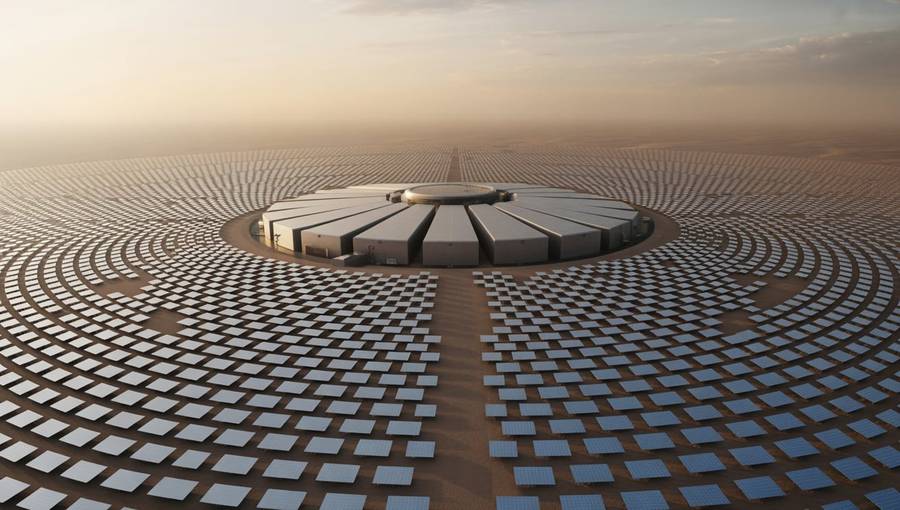
The utility is currently moving forward with several large-scale infrastructure developments to reach these goals. Notable projects include a 5.2GW solar-plus-storage facility that reached financial close in July, as well as the 1.5GW Khazna solar plant. These initiatives build upon the success of the existing 1.2GW Noor solar power plant, which remains one of the largest standalone PV installations globally. By integrating utility-scale solar, battery storage, and reverse osmosis desalination, EWEC is working to create a more resilient and diversified energy system that prioritizes long-term water and energy security for the UAE.
Mohamed Almarzooqi, chief assets officer at EWEC, emphasized that these efforts are central to the nation's broader transition toward a low-carbon economy. As the UAE works toward its national goal of having renewables and nuclear energy account for 35% of its total energy mix by the early 2030s, Abu Dhabi’s aggressive solar deployment serves as a critical pillar. The strategy highlights the region's status as a global leader in low-cost solar generation, proving that significant decarbonization is possible even while managing substantial growth in annual power consumption.