Brazil Targets 107 GW Solar Capacity By 2035
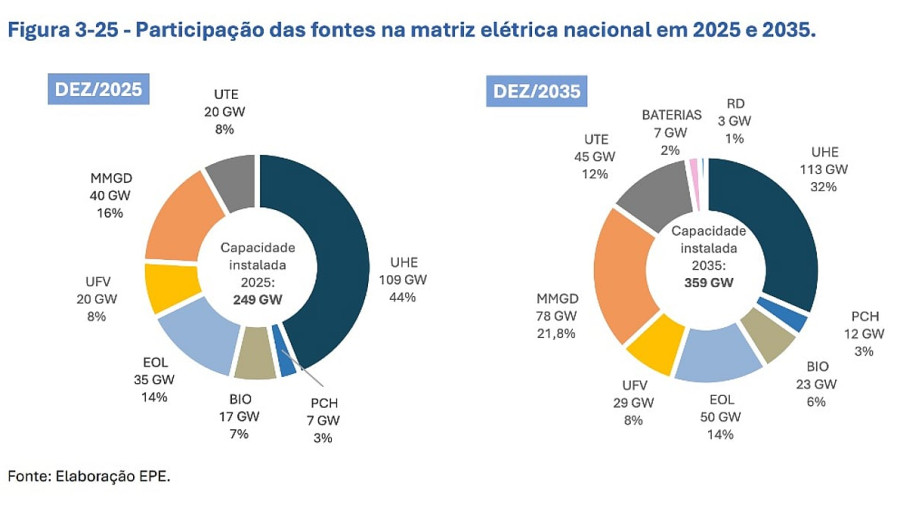
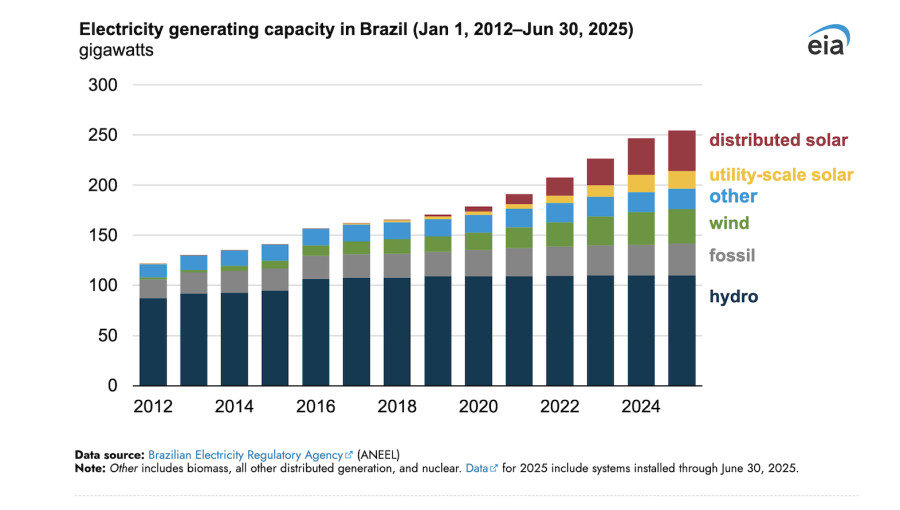
Brazil is accelerating its renewable energy transition with a strategic goal to reach 107 GW of cumulative installed solar PV capacity by late 2035. This target, outlined in the Ministry of Mines and Energy’s draft Ten Year Energy Expansion Plan (PDE 2035), represents a substantial increase from the 60 GW projected for the end of 2025. The roadmap emphasizes a shift toward decentralized energy, with distributed generation expected to nearly double, while energy storage systems make their first significant appearance in the national grid.
The expansion will be primarily driven by the micro and mini distributed generation (MMGD) sector. This segment is forecasted to grow from 40 GW to 78 GW over the next decade, eventually representing 22% of Brazil's total installed capacity. In contrast, utility-scale solar is projected for more modest growth, moving from 20 GW to 29 GW. This slower pace for large-scale projects is attributed to existing renewable surpluses on the grid, which have led to curtailment risks that make massive utility-scale additions less economically viable at this stage.
By 2035, Brazil's total power generation capacity is expected to climb to 359 GW, up from the current 249 GW. Within this mix, solar will solidify its position as the second-largest electricity source at 107 GW, trailing only hydropower, which remains the leader at 113 GW. To manage the variability of these renewable sources, the government is introducing energy storage targets for the first time. The plan envisions 7 GW of storage capacity by 2035, accounting for 2% of the National Interconnected System’s (SIN) capacity, a sharp rise from the zero capacity recorded last year.
Looking further ahead, the draft National Energy Plan 2055 (PNE 2055) provides a 30-year vision for the country’s energy future. Under this long-term scenario, distributed generation could reach a staggering 287 GW. When combined with wind power and other distributed energy resources, renewables are expected to constitute 88% of the national electricity mix by 2055. This long-term framework also explores the potential for demand response to contribute 23 GW to the system's flexibility.
Gustavo Ataíde, Executive Secretary of the Ministry of Mines and Energy, emphasized that these plans provide the necessary predictability and technical foundation for the National Energy Transition Policy. Both the PDE 2035 and PNE 2055 drafts are currently open for a 30-day public consultation period, which began following their publication on February 12, 2026. These documents serve as a comprehensive roadmap to guide future investments and policy decisions in Brazil’s energy sector.