Agrivoltaics Success Requires Prioritizing Agricultural Needs Over Optics
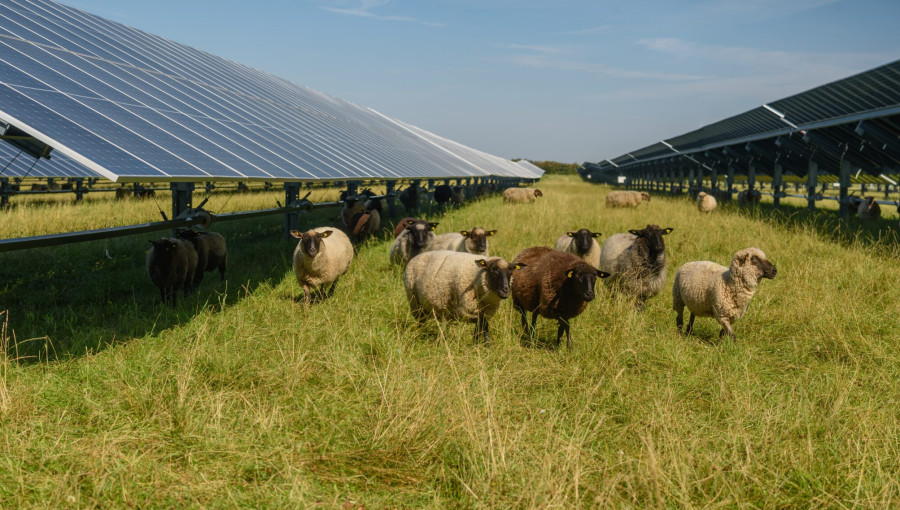
Agrivoltaics, the practice of co-locating solar energy systems with agricultural or ecological activities, is frequently oversimplified in public discourse. While the concept of sharing land between solar panels and farming is technically sound, its success depends on specific climates, crop types, and configurations. Rather than a universal agricultural solution, agrivoltaics functions as a diverse family of systems—ranging from sheep grazing and pollinator habitats to elevated arrays over vegetables or fish ponds. True progress requires moving beyond social media narratives to prioritize rigorous design, measurable agricultural output, and clear, enforceable policies that protect both farmers and land productivity.
The global landscape of agrivoltaics is led by China, which reported 134.55 GW of capacity by the end of 2022, utilizing a broad definition that includes fishery, greenhouse, and husbandry projects. In contrast, the United States reached approximately 10 GW by late 2024, with a focus heavily weighted toward grazing and pollinator habitats rather than intensive crop production. Europe and Japan are currently refining the governance of these systems, focusing on permitting and ensuring that agricultural production remains a primary, rather than token, objective to avoid the pitfalls of "paper agriculture."
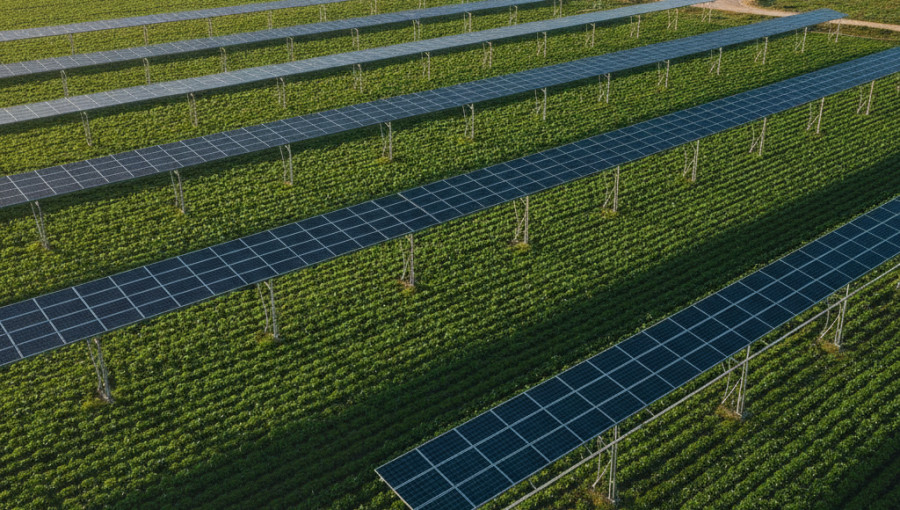
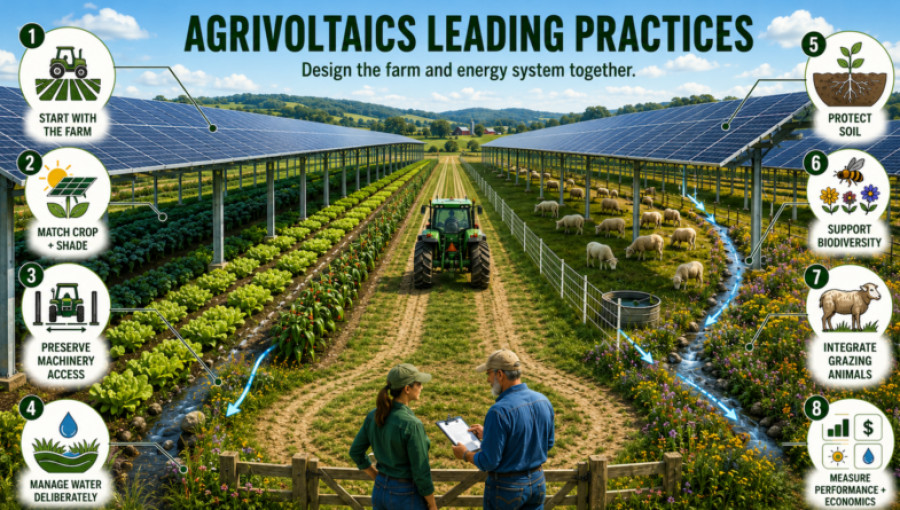
Technically, the most effective applications occur in hot, dry regions where partial shade mitigates thermal and water stress, potentially improving crop yields while simultaneously cooling solar modules to boost electricity efficiency. However, these benefits do not apply to all crops; commodity crops like corn or soy often struggle with the physical constraints of solar infrastructure. Successful implementation requires that agricultural needs—such as machinery access, irrigation, and soil health—dictate the design process. When solar developers prioritize the farm system over mere permitting optics, agrivoltaics can serve as vital infrastructure for energy, water, and food security.