Study Finds Agrivoltaic Costs Far Outweigh Agricultural Returns
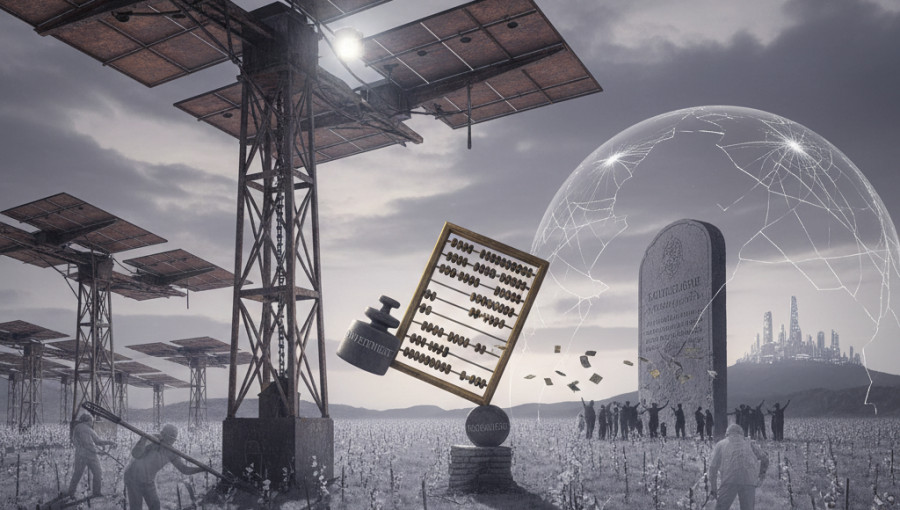
A new study from Germany’s Thünen Institute of Agricultural Technology suggests that the high costs of agrivoltaic systems far outweigh their agricultural returns. While these dual-use installations effectively preserve farmland by allowing simultaneous energy production and crop cultivation, researchers found their levelized cost of energy (LCOE) is significantly higher than traditional ground-mounted solar plants. The analysis reveals that the cost of saving a single hectare of farmland can reach up to €75,000 annually, leading experts to question current subsidy models. Instead of broad financial support, the study advocates for prioritizing research into more cost-competitive and innovative agrivoltaic designs.
Lead researcher Jonas Böhm explained that while agrivoltaics offer a solution to land-use conflicts, the economic benefit of land preservation comes at a substantial premium. According to the study, this financial burden must eventually be absorbed by investors, taxpayers, or energy consumers. Data from the German Farm Accountancy Data Network indicates that the revenue generated from agricultural activities is far too low to offset the steep capital and operational expenses associated with complex solar structures.
The research team evaluated various agrivoltaic configurations, ensuring they met German regulatory standards which require at least 85% to 90% of the land to remain available for farming. The economic modeling accounted for a wide range of expenses, including solar modules, specialized mounting systems, internal cabling, and structural engineering. Operational costs such as biodiversity maintenance, grassland management, and inverter repairs were also factored into the total LCOE.
Using real-world data from German project developers and solar radiation figures from the national weather service, the study found that agrivoltaic systems are between 4% and 148% more expensive than conventional ground-mounted installations. Systems designed for high-value crops, such as apple orchards, faced the highest cost disparities. While these setups can provide secondary benefits like hail protection, the infrastructure required to support them is exceptionally costly.
The societal cost of preserving agricultural land through these systems is particularly high. For medium-height installations, the cost ranges from €8,000 to €26,000 per hectare each year. For high-mounted structures, that figure climbs to between €42,000 and €75,000. These amounts are significantly higher than the potential agricultural income from the same plot of land, casting doubt on the long-term viability of current agrivoltaic strategies.
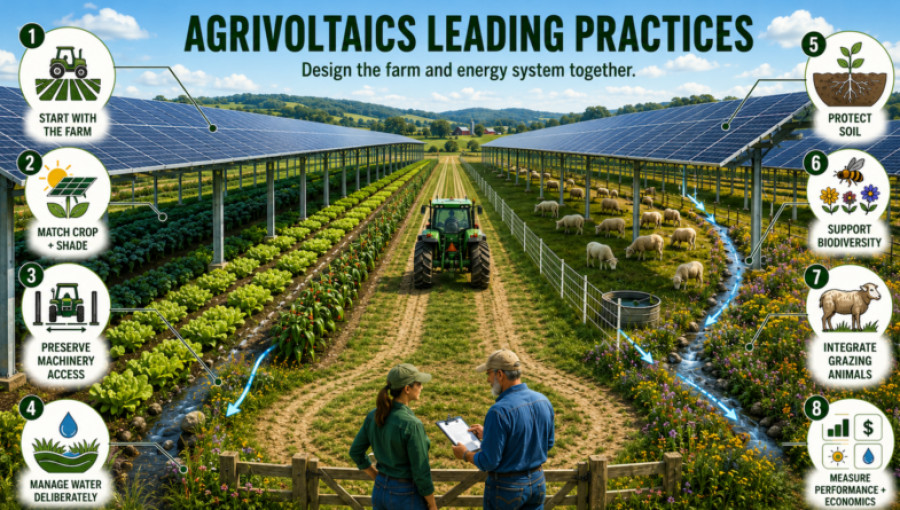
Böhm noted that the most economically viable options are those that require minimal changes to farming practices, such as animal husbandry or grassland use. The study concludes that government policy should shift away from subsidizing existing, non-competitive technologies. Instead, the focus should be on the development and testing of next-generation agrivoltaic concepts that have a realistic path toward achieving cost-competitiveness with traditional renewable energy sources.