Bulgaria Reaches 6.23 GW in Battery Energy Storage Capacity
The nation now holds the world's highest battery storage penetration rate relative to its electricity system, population, and economy.
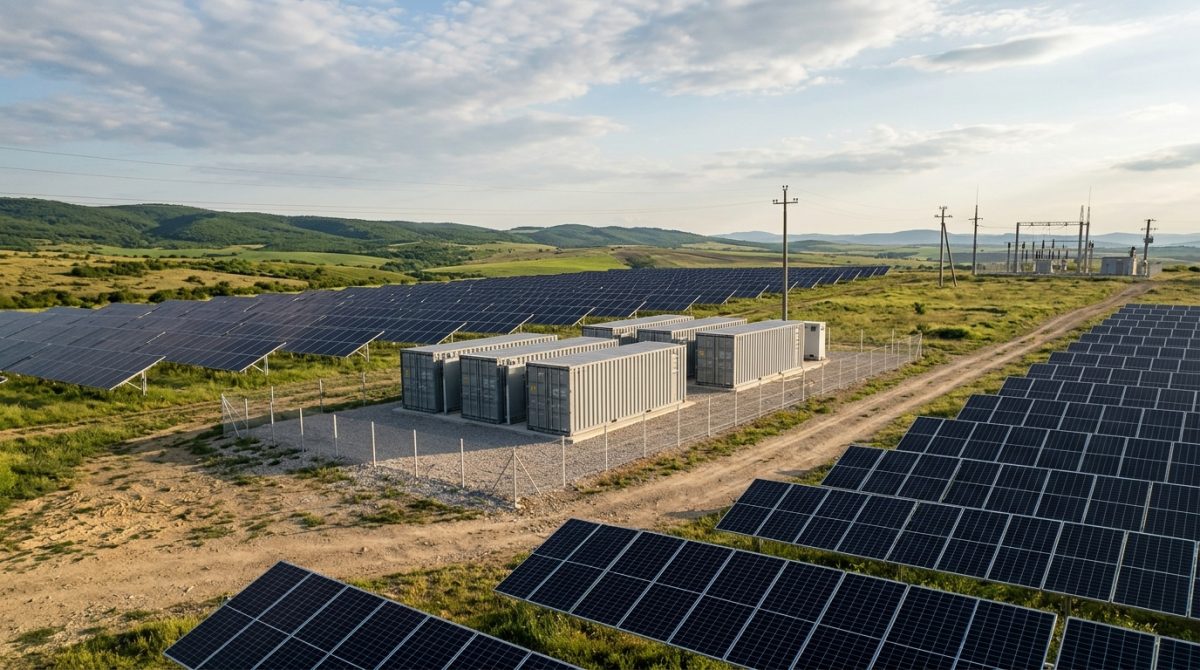
Bulgaria has significantly expanded its battery energy storage systems (BESS), reaching a total operating capacity of 6.23 GW by late October. This figure represents a rapid increase from 3.43 GW recorded in late May and 5.41 GW in mid-August. The country now maintains the highest battery storage penetration rate globally when measured against its population, economy, peak loads, and electricity system size.
Data from the Electricity System Operator (ESO) indicates that the current storage facilities hold a capacity of more than 19 GWh, providing an average duration of over three hours. The deployment trend shows a preference for four-hour storage systems, with at least one five-hour project also reported. This battery capacity now covers 85% of the country's 7.3 GW of installed solar power.
As winter approaches and solar output becomes more variable, these battery systems have shifted toward intensive nighttime charging. Between October 1 and 25, the facilities absorbed 19.9 GWh per day while supplying 18 GWh daily. These projects are now primarily commercially driven following the conclusion of state support programs, entering a market that is becoming increasingly saturated.
The rapid growth of BESS has played a critical role in maintaining regional grid stability during recent heat waves and droughts. Bulgaria's storage capacity currently covers 85% of its overall peak electricity load, a figure that significantly exceeds the penetration rates in other major markets such as California at 33%, Australia at 23%, and both Texas and Great Britain at 17%.
The expansion of storage is occurring alongside broader regional energy challenges, including maintenance at the Kozloduy nuclear power plant and the ongoing offline status of Romania's Cernavodă nuclear facility. Despite these factors and high wholesale electricity prices, the increased storage capacity has contributed to a surge in net power exports from Bulgaria.