California Home Batteries Demonstrate Potential To Stabilize Electrical Grid During Heat
Residential energy storage systems from Tesla and Sunrun provided significant power during a recent California heat wave, highlighting the role of distributed resources.
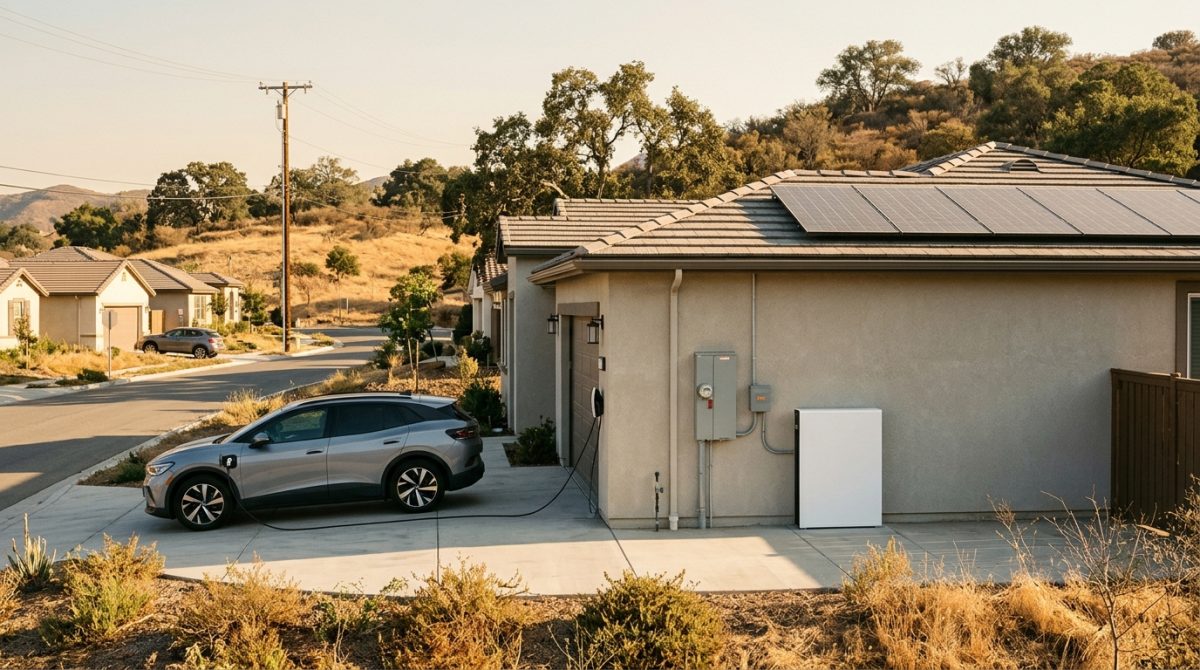
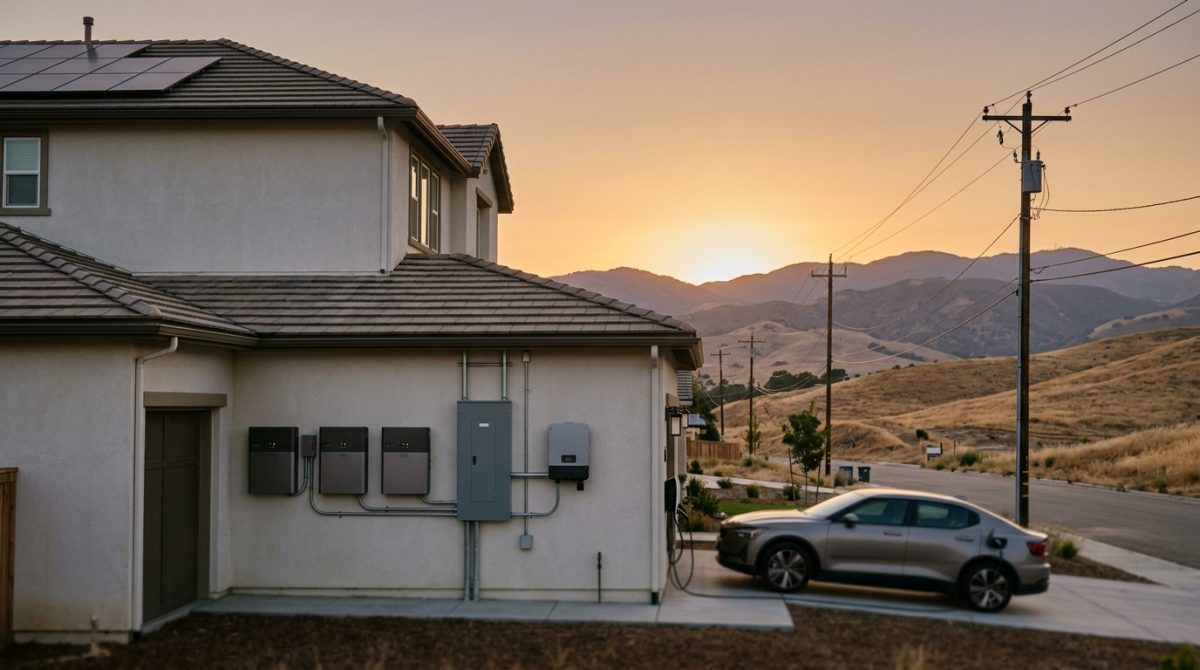
During a recent heat wave in California on October 6, residential battery systems played a critical role in managing electricity demand. According to the nonprofit organization Common Charge, home batteries manufactured by Tesla and Sunrun supplied enough electricity to power every home in San Francisco and San Jose during peak hours. This capacity supported a combined population of approximately 1.8 million people.
The use of distributed energy resources allows utilities to avoid the costs associated with building new gas-fired power plants or importing electricity from other states. By storing solar energy generated during the day, home batteries can discharge power back to the grid when demand spikes in the late afternoon. Sunrun reported that it has completed 1,300 dispatch events last year and over 800 so far this year, often operating automatically to maintain a reserve for the homeowner.
Beyond stationary home batteries, utilities are exploring vehicle-to-grid technology, which utilizes the large batteries in electric vehicles to provide power to the grid. This approach is particularly promising for vehicles with predictable schedules, such as school buses. By allowing utilities to draw power during high-demand periods and recharge during off-peak hours, these systems help smooth out energy consumption patterns.
According to Sunrun, there are currently 1.2 million home batteries installed across the United States between it and Tesla, with a combined capacity to dispatch 8 gigawatts of power. With 86 million single-family homes in the country, experts suggest that scaling this technology could significantly improve grid reliability and help contain energy costs for all ratepayers. Mary Rafferty, executive director of Common Charge, noted that this shift allows communities to rely more on local power generation.