California Senate Passes Bill Simplifying Plug And Play Solar

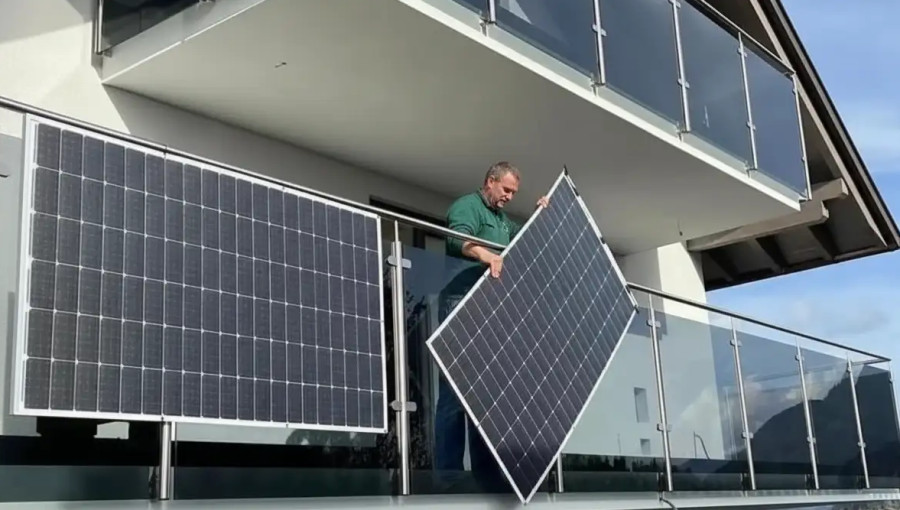
The California Senate has overwhelmingly approved SB 868, the Plug and Play Solar Act, in a 35-1 vote. This legislation aims to simplify the adoption of portable solar generation devices, often called balcony solar or plug-in photovoltaics, by allowing units with up to 1,200 W of AC output to connect directly to a home’s electrical system via a standard 120 V outlet. By exempting these systems from traditional utility interconnection fees and permitting requirements, the bill seeks to provide residents with a more accessible and affordable path to clean energy savings.
Introduced by Senator Scott Wiener, the bill is modeled after successful legislation previously enacted in Utah and several other states. The proposal addresses the rising cost of electricity by offering a mobile, user-friendly solution for those who cannot install traditional rooftop solar arrays. Supporters, including the Environmental Working Group, emphasize that these systems are practical and provide immediate relief for consumers facing high energy bills. The bill now moves to the state Assembly, which faces an August 31 deadline to pass the measure during the current legislative session.
While some companies already offer plug-in solar products in California, advocates argue that formalizing the rules through SB 868 is essential to ensure widespread adoption and consumer protection. Proponents believe that California’s leadership in this area could significantly influence the national market for distributed solar technology. Although the final outcome in the Assembly remains to be seen, the bill has garnered attention from political figures and industry advocates who view the technology as a vital tool for increasing energy independence and reducing reliance on traditional utility models.