California Advances Legislation Legalizing Plug And Play Balcony Solar
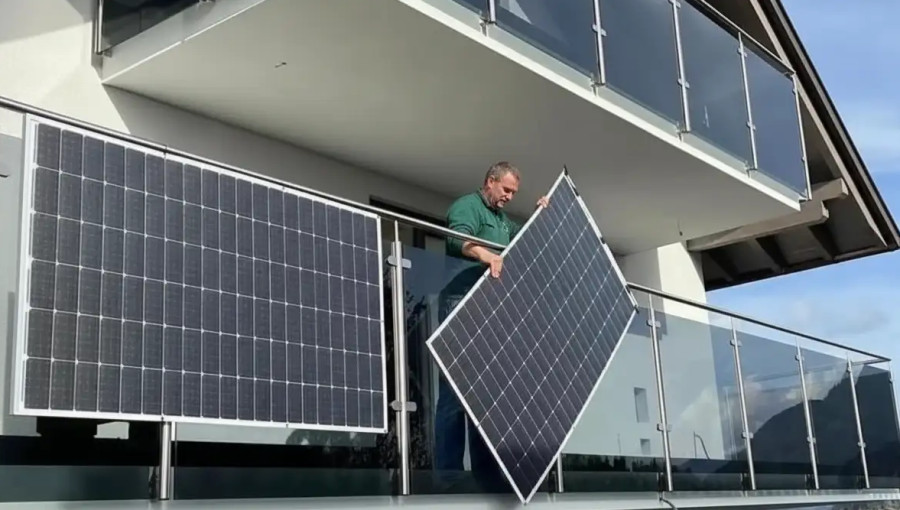
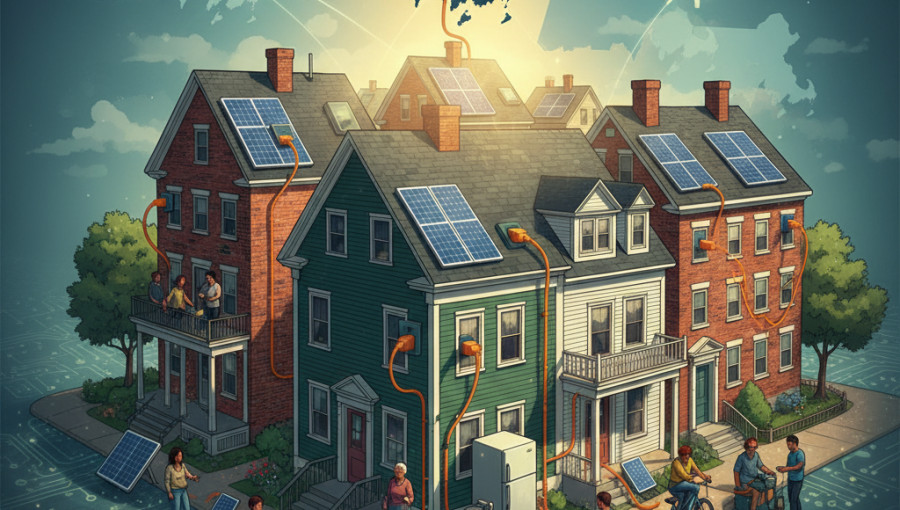
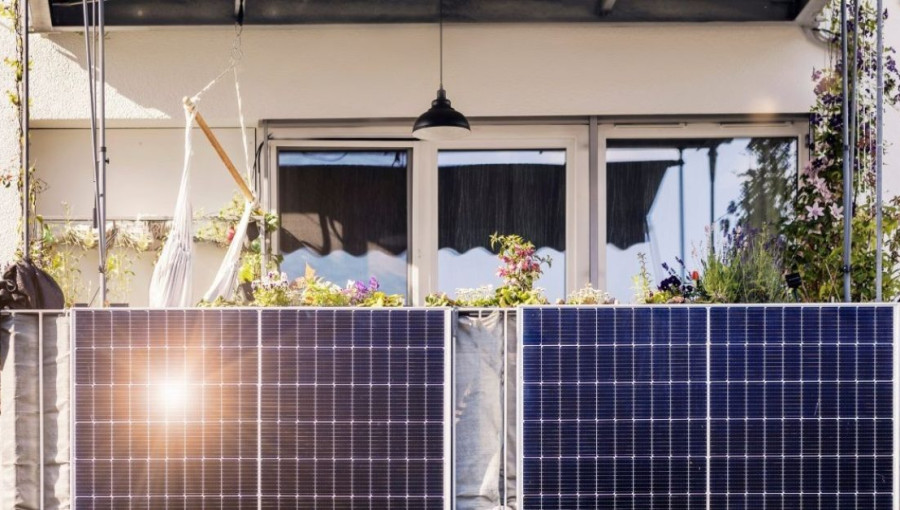
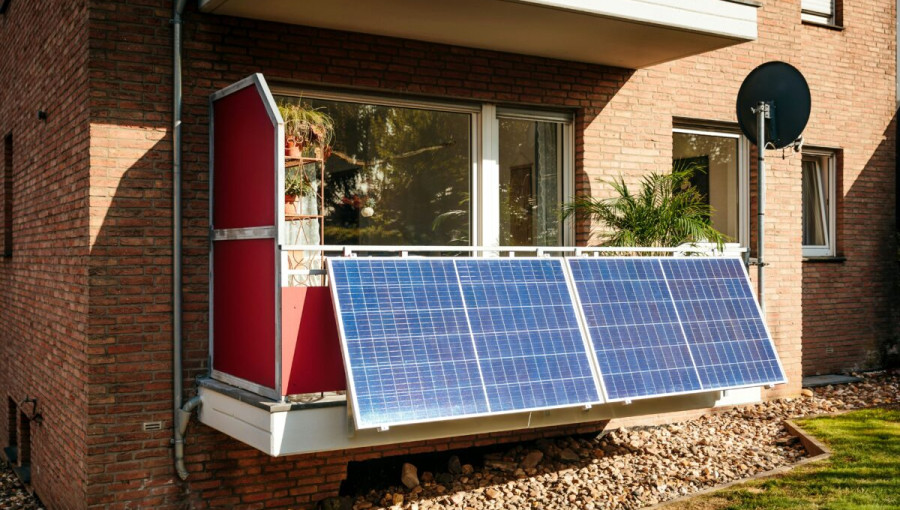
California is moving closer to legalizing "balcony solar," a plug-and-play technology that allows residents to generate renewable energy without the need for complex permits or professional installation. The State Assembly’s Committee on Utilities and Energy recently voted unanimously to advance SB 868, a bill designed to eliminate regulatory hurdles for these systems. By simplifying the adoption of solar modules, proponents hope to lower electricity costs for residents and bolster the state’s clean energy capacity. While the legislation still faces further committee review, its progress signals a significant shift toward accessible, decentralized power generation for renters and homeowners alike.
The push for SB 868, introduced by Senator Scott Wiener, comes at a critical time for California’s solar sector. Following significant reductions in net metering policies that impacted the industry, this legislation offers a potential path to revitalize local solar adoption. Supporters emphasize that the bill removes unnecessary red tape, making it feasible for more people to integrate solar technology into their daily lives. By allowing residents to simply plug in their equipment, the state aims to increase its overall clean energy output while providing immediate financial relief to households struggling with high electricity prices.
The bill must now navigate the Assembly Committee on Appropriations, where it is expected to be heard in August due to projected annual administrative costs estimated between $200,000 and $500,000. If successful, California would join a growing list of states—including Colorado, Connecticut, Maine, Maryland, and Virginia—that have already legalized plug-in solar. This trend, sparked by Utah’s pioneering legislation in 2025, reflects a broader national movement to democratize energy access. With a large population of renters and abundant sunshine, California is uniquely positioned to see widespread adoption of this technology should the bill become law.