China Advances Wireless Space Based Solar Power Technology
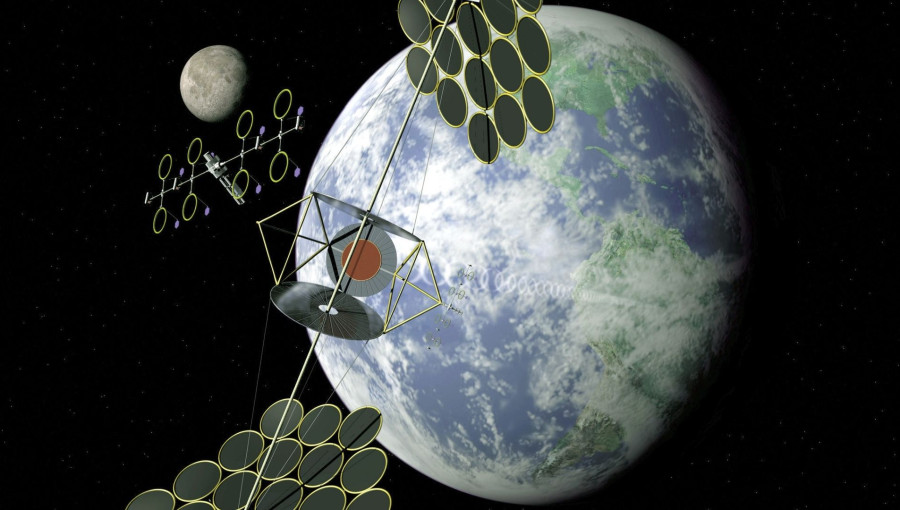
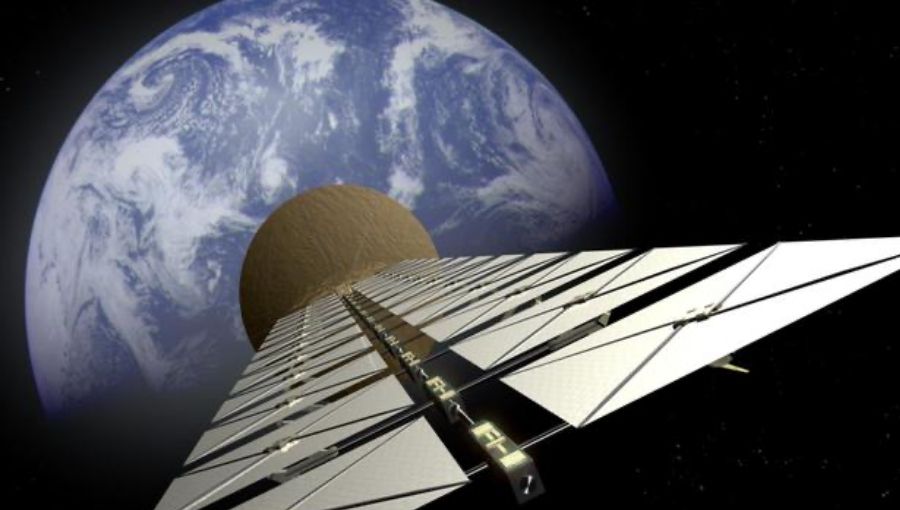
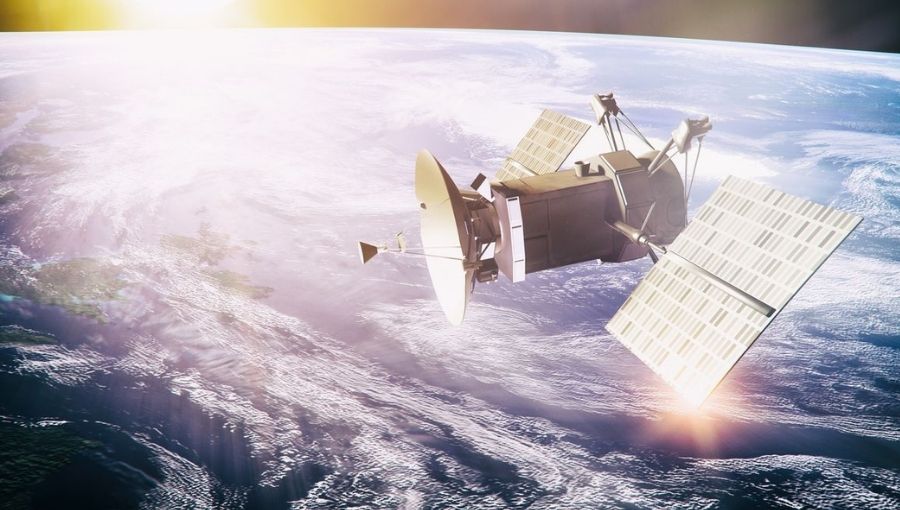
Researchers at Xidian University in China are advancing a space-based solar power project called Zhuri, or “chasing the sun,” designed to transmit clean energy wirelessly from geostationary orbit to Earth. By capturing solar energy 36,000 kilometres above the planet, the system avoids the limitations of weather and night cycles, potentially offering a solution to global energy shortages. Recent ground-based tests have successfully demonstrated the conversion of solar energy into microwaves for transmission to a rectenna, marking a significant step toward the long-term goal of deploying large-scale, modular solar arrays in space to provide continuous, high-efficiency power.
The Zhuri project centers on a three-stage process: concentrating sunlight, converting that energy into microwaves, and transmitting the waves to a ground-based rectenna that transforms them back into electricity. At Xidian University, associate professor Fan Guanheng and his team have successfully tested this technology using a 4.8-metre dome-shaped mirror to focus light onto solar panels. During recent trials, the system achieved kilowatt-level transmission and demonstrated the ability to direct energy toward multiple moving targets simultaneously. The team is also exploring the use of Fresnel lenses to improve light concentration while utilizing cooling fluids to manage thermal loads.
Space-based solar power provides a distinct advantage over terrestrial installations, as solar energy density in orbit can be up to six times higher than on the ground. Because orbital systems are not hindered by atmospheric interference or the lack of sunlight at night, they offer a consistent energy source. Led by electromechanical engineer Duan Baoyan, the project draws inspiration from early modular satellite concepts. Rather than relying on a single massive structure, the current design utilizes modular units flying in formation, which enhances the system's overall resilience and simplifies maintenance requirements for future orbital deployment.
While the technology shows promise, significant engineering hurdles remain. Researchers must still refine the deployability of foldable, self-assembling structures and ensure the precision and safety of microwave beams to protect aircraft and the environment. The team is currently focused on securing funding for upcoming orbital experiments. While large-scale power generation for cities remains the ultimate objective, the project’s near-term applications could include wireless charging for satellites in orbit or providing power to lunar bases. As China joins the United States and Japan in this competitive field, the success of these efforts could fundamentally reshape the global energy landscape.