Solar Infrastructure Occupies Minimal Prime United States Farmland
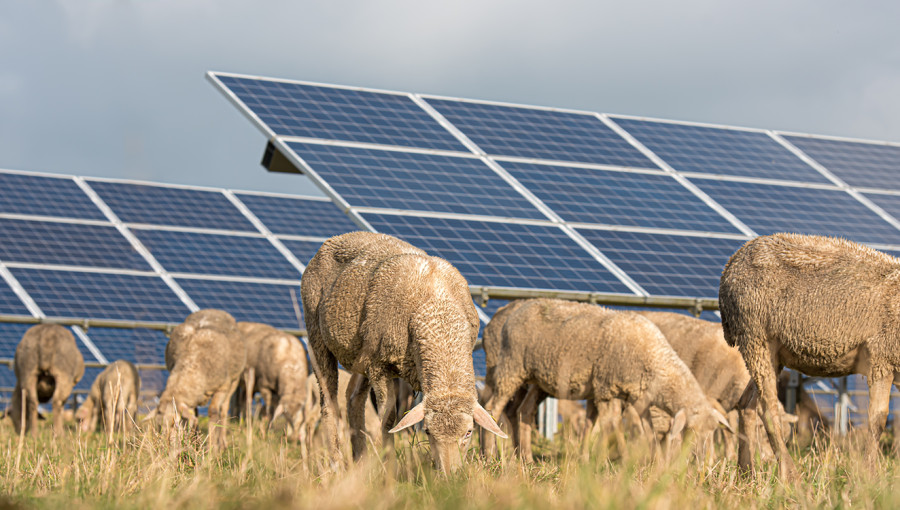
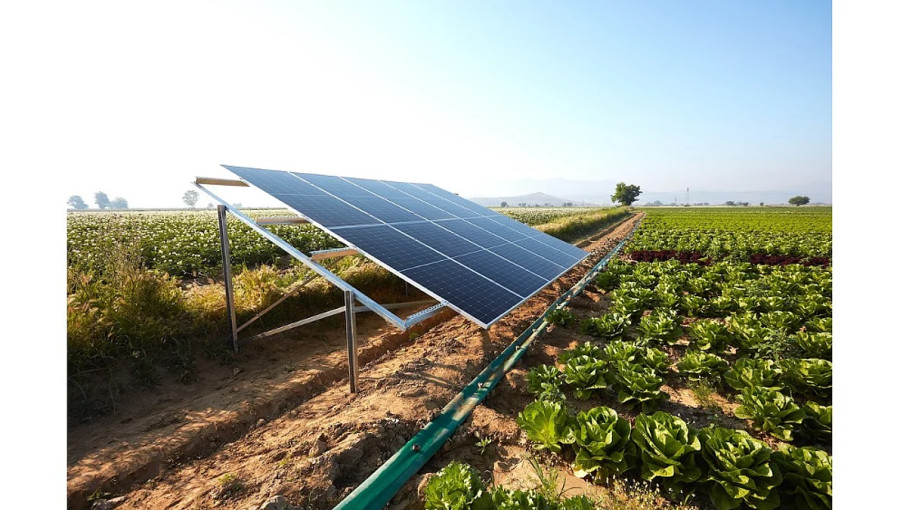
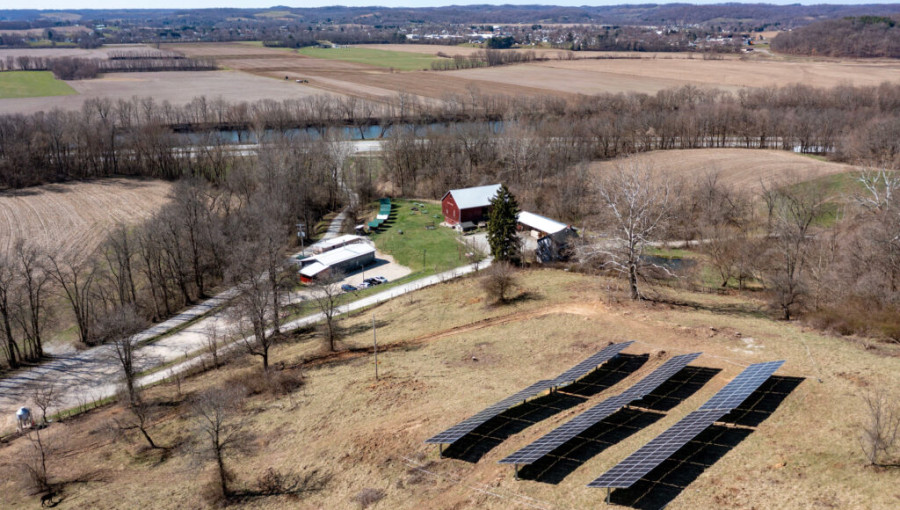
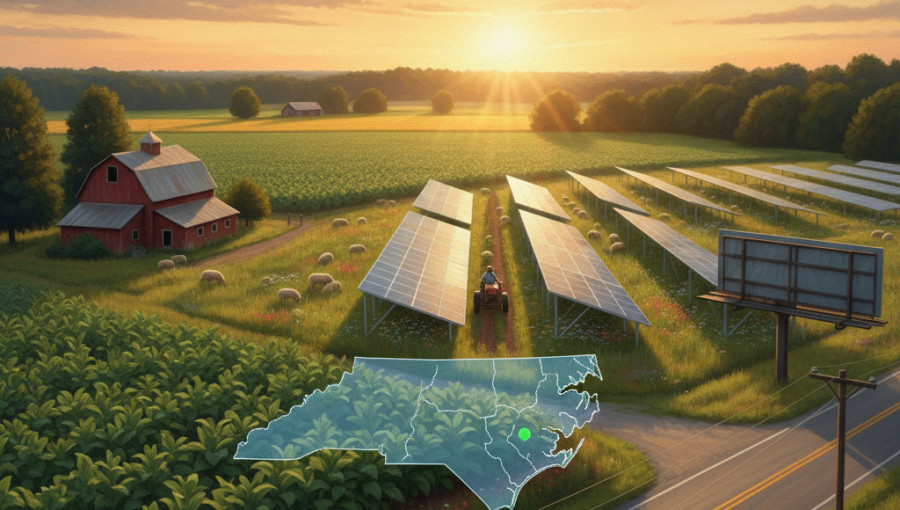
The Solar Energy Industries Association (SEIA) has released an interactive map demonstrating that solar energy infrastructure occupies only 0.07% of prime farmland in the United States. Designed to provide context during ongoing Farm Bill negotiations, the tool highlights that solar development has a significantly smaller land footprint than suburban sprawl or recreational facilities like golf courses. By showcasing how solar projects can coexist with agricultural activities—such as grazing and pollinator habitats—the association aims to counter misinformation and emphasize that solar energy serves as a vital, stable revenue stream for farmers while supporting national energy needs.
The initiative arrives as the energy sector faces pressure to expand capacity to meet rising demand from data centers and artificial intelligence. According to SEIA, solar development offers a flexible land-use solution because, unlike permanent suburban expansion, solar projects can be decommissioned once their operational life concludes. This allows landowners to maintain their property for future agricultural use while benefiting from consistent income and local tax revenue.
SEIA president and CEO Tim Pawlenty noted that responsible land management requires balancing food production, community building, and energy generation. The organization maintains that solar and agriculture can thrive in tandem, providing affordable electricity and economic stability for rural communities. To assist local officials and landowners in making informed decisions, SEIA has compiled extensive research and best practices regarding responsible solar and storage development, all of which are accessible through their new digital mapping resource.