COP31 Climate Summit Faces Criticism Over Lack Of Fossil Fuel Commitments
Negotiators at the Antalya summit are working to salvage a final agreement as draft texts omit references to transitioning away from fossil fuels.

The COP31 climate summit in Antalya, Türkiye, is nearing its conclusion amid concerns that the current draft text fails to address the transition away from fossil fuels. The document notably omits the term fossil fuels entirely, while promoting carbon capture and storage technologies, which critics argue have served as decoys for meaningful climate action for decades.
Negotiations are being led by Australian climate change and energy minister Chris Bowen and COP31 president Murat Kurum. Observers are looking for the inclusion of stronger pledges for climate adaptation, particularly for the Pacific region, to avoid the summit being labeled a failure. Despite the diplomatic tensions, some progress has been noted, including a bilateral agreement with South Korea to invest 1 quadrillion won ($A1.1 trillion) toward decarbonizing its economy.
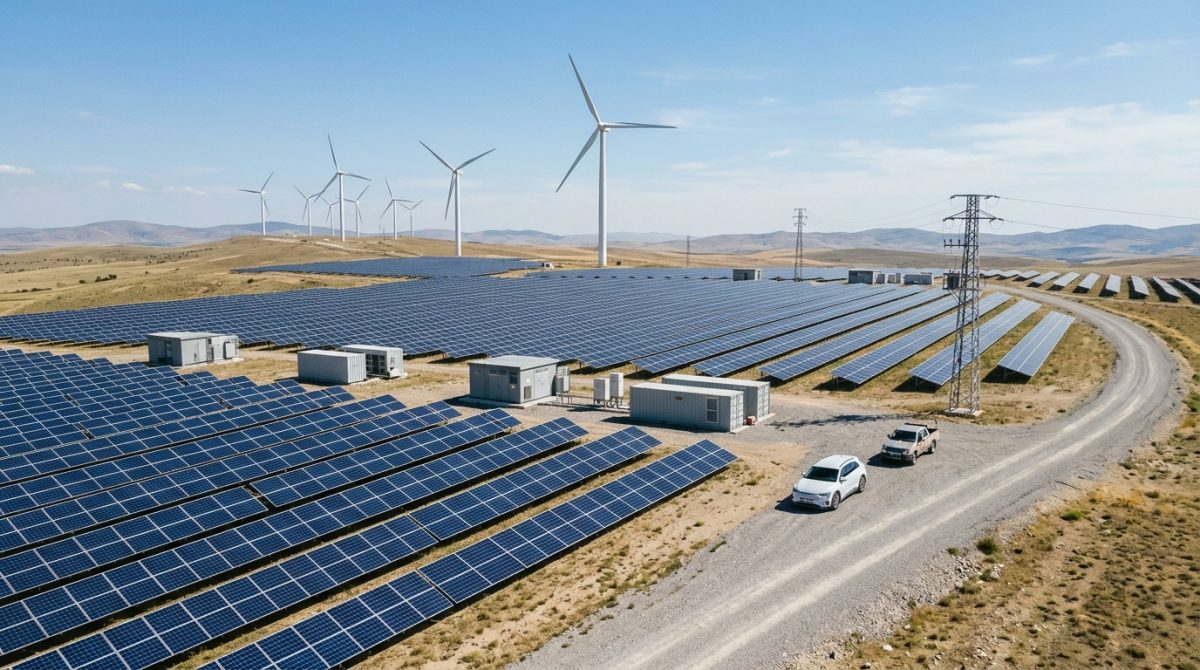
The International Energy Agency (IEA) released its 2026 World Energy Outlook during the event, providing a mixed outlook on global energy trends. The report suggests that while demand for oil and gas continues to rise, solar energy has reached a significant milestone. In 2025, solar PV accounted for the largest share of both total energy demand growth and electricity generation growth globally.
A potential positive outcome from the summit is a proposed target to increase the share of electricity in total final energy consumption to 35% by 2035. This goal, referred to as 35 by 35, would complement existing efforts to triple global renewable energy capacity and double energy efficiency rates by 2030. Achieving this target would require significant investments in storage, grid flexibility, and modern infrastructure.
The IEA report also highlighted the role of China in scaling up the production of solar panels, wind turbines, and batteries. Conversely, the report noted that trade policies in the United States, including high tariffs on imported batteries and electric vehicles, have hindered electrification efforts. As the summit concludes, the focus remains on whether the final text will provide a robust framework for curbing greenhouse gas emissions.